Building in Nunavik: From Design to Delivery
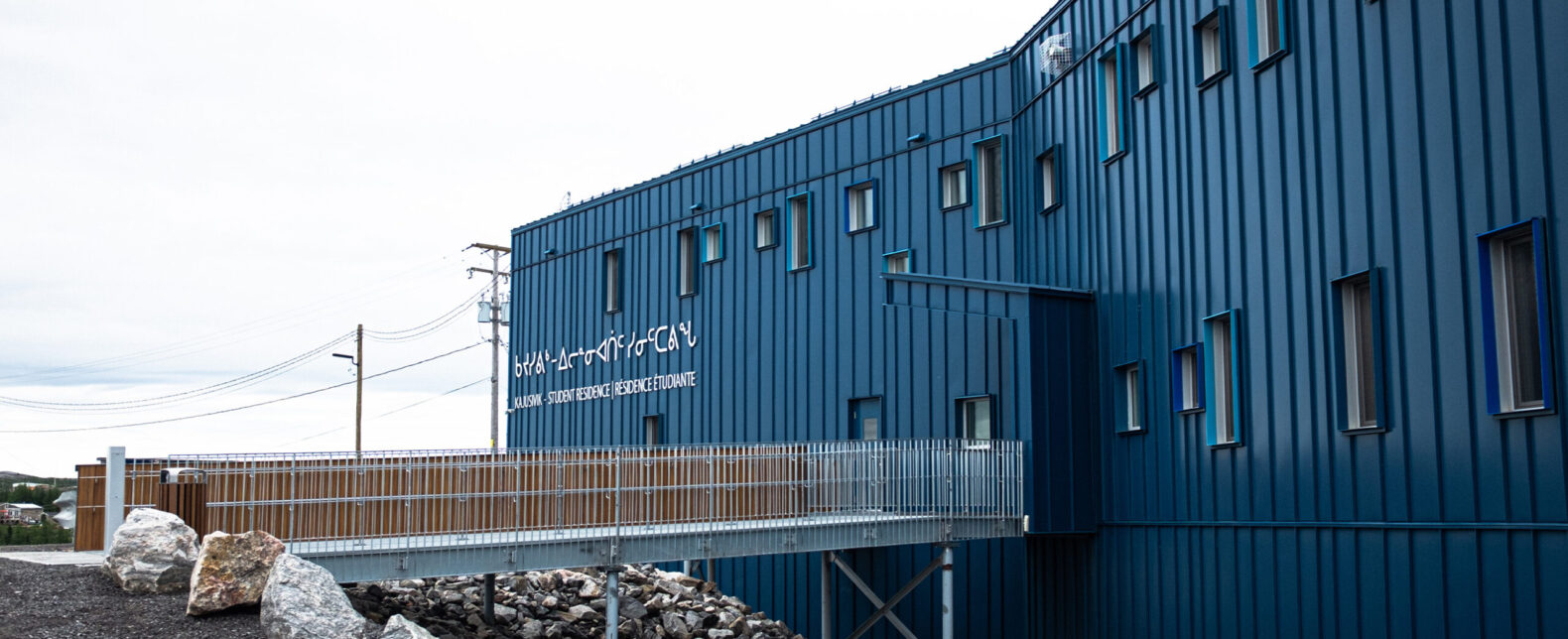
For any construction project, there are no fewer than seven major stages before the first shovel hits the ground. From applying for funding to signing the contract, a lot of work goes on behind the scenes. Now imagine building in Nunavik. It’s a whole different kettle of fish!
In this three-part series, we will discuss the three key stages of construction in Nunavik: choosing a site, designing a project, and managing and maintaining buildings.
This is the second article of the series.
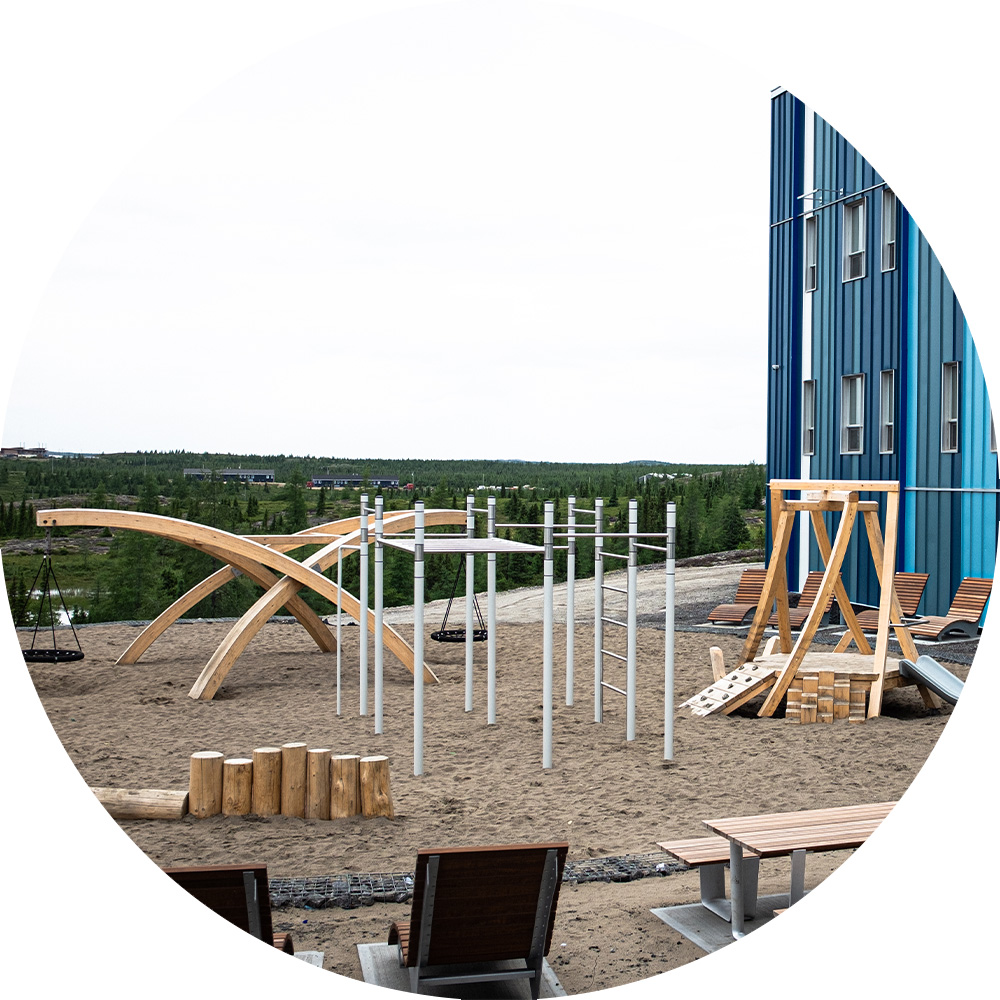
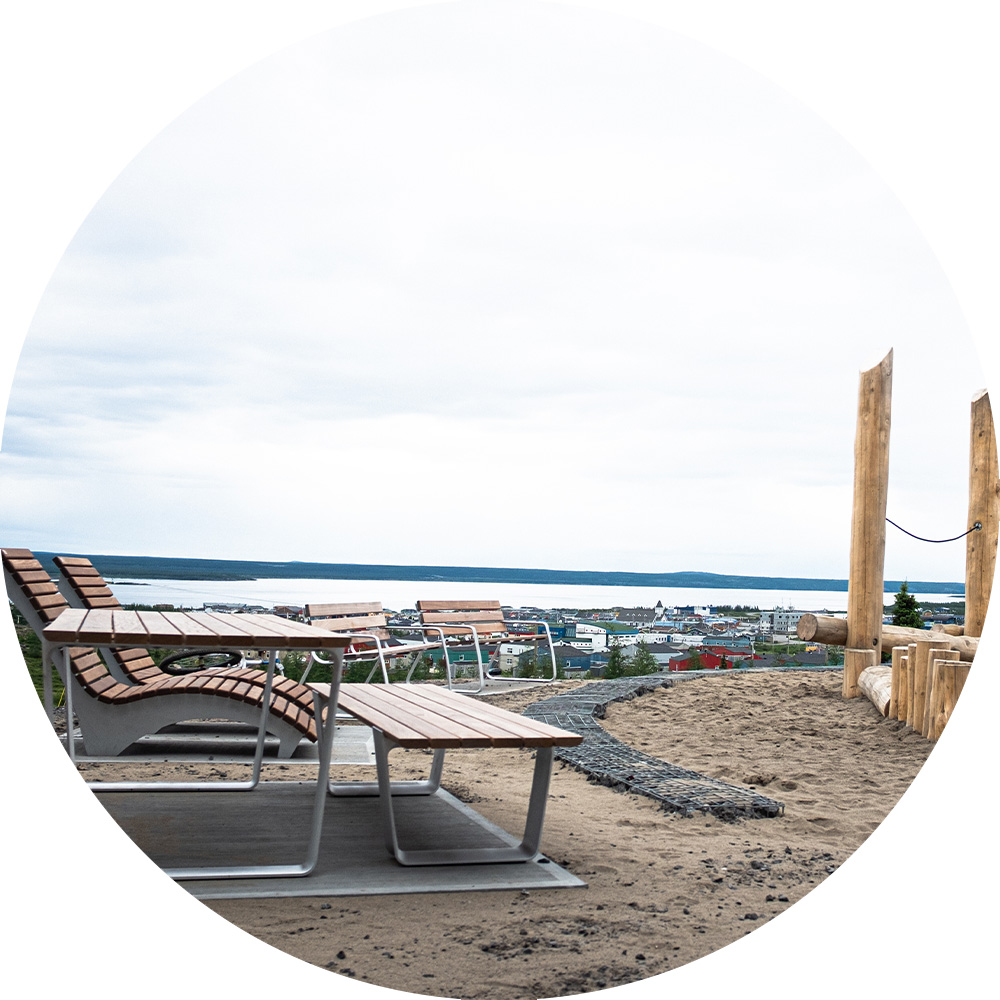
Designing the space before building it
“If you take the new Kajusivik student residence in Kujjuaq as an example, the design stage alone can take at least 18 months,” explains Mélissa Côté-Laforge, Coordinator of Material Resources, by way of introduction.
Before even sketching the first lines to design a new building, many questions must be answered: How many people will it accommodate? Who are they? What are their needs? What purpose will the building serve, today and 10 years from now? There are many boxes to check on the design roadmap.

It’s not just a building, it’s not just a shell. It has a purpose, and we have to meet the needs of the people who will occupy it.
Designed with the community in mind
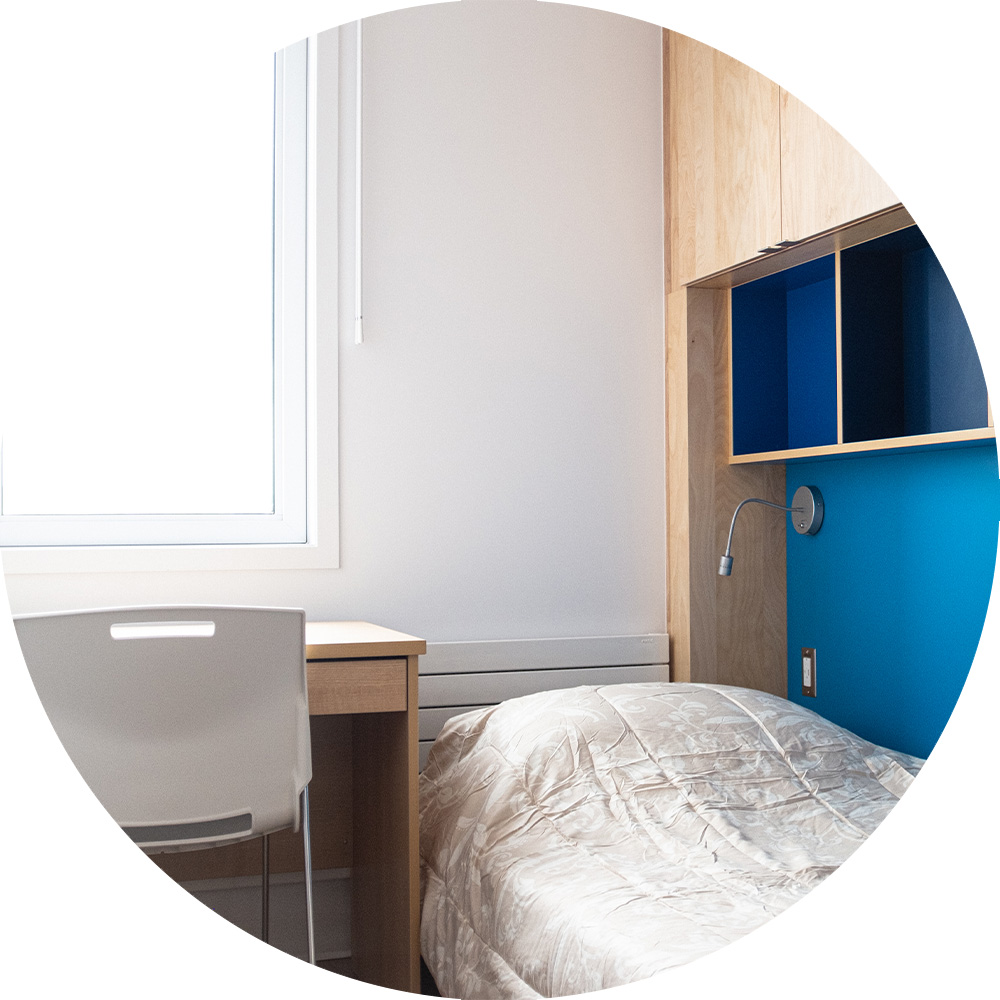
To ensure the plans are consistent with the needs that are identified, the team must “block out” certain key spaces before moving to the drawing board: common areas, single and double rooms, kitchen, spaces for cultural activities, etc. From the very first draft, the design process also takes into account features such as built-in furniture (beds, work counters, small refrigerators, microwave ovens, etc.).
This stage requires a strong sensitivity to the realities of the land and users.

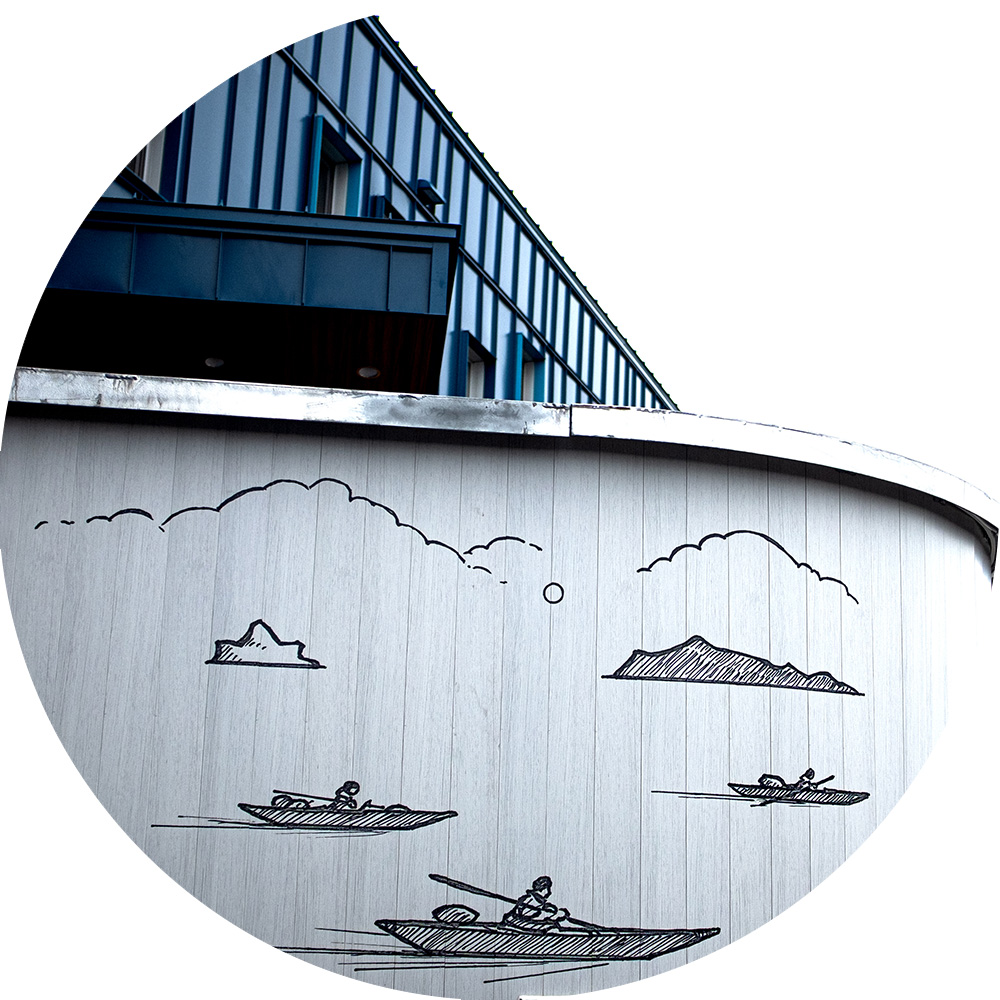
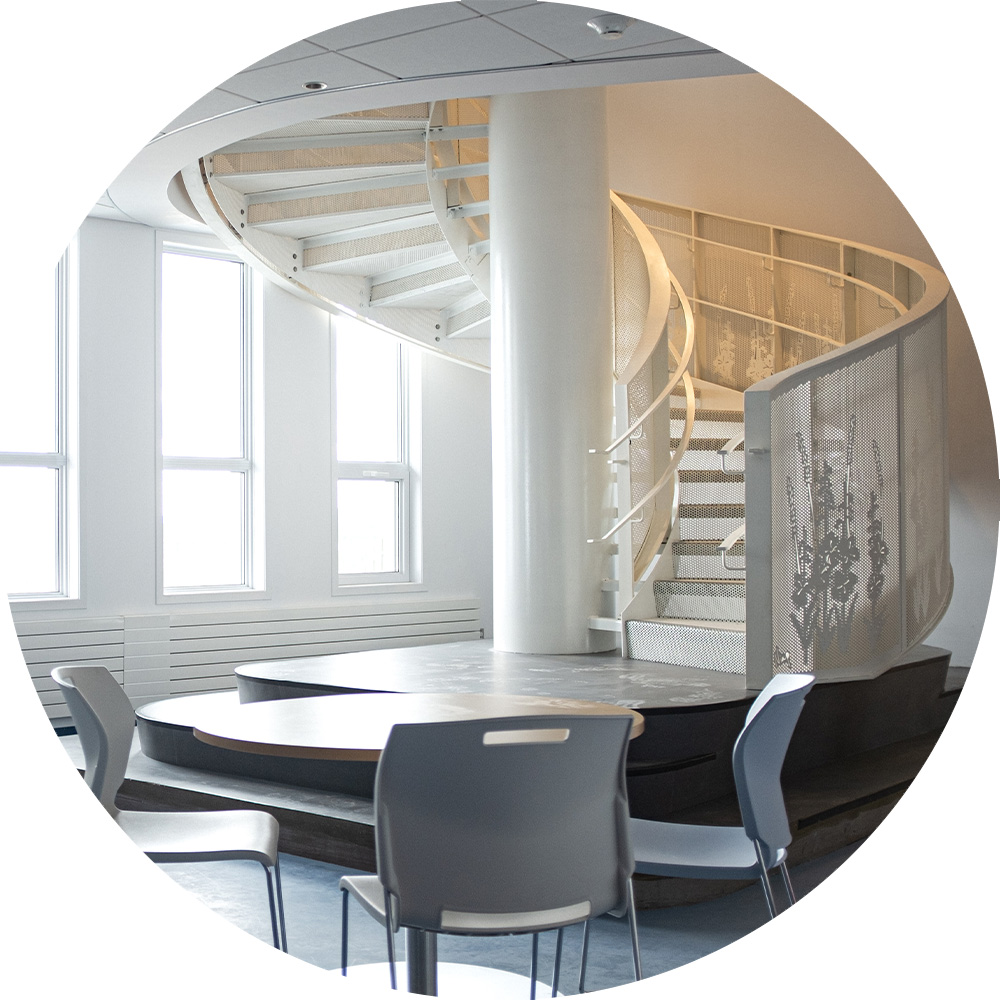
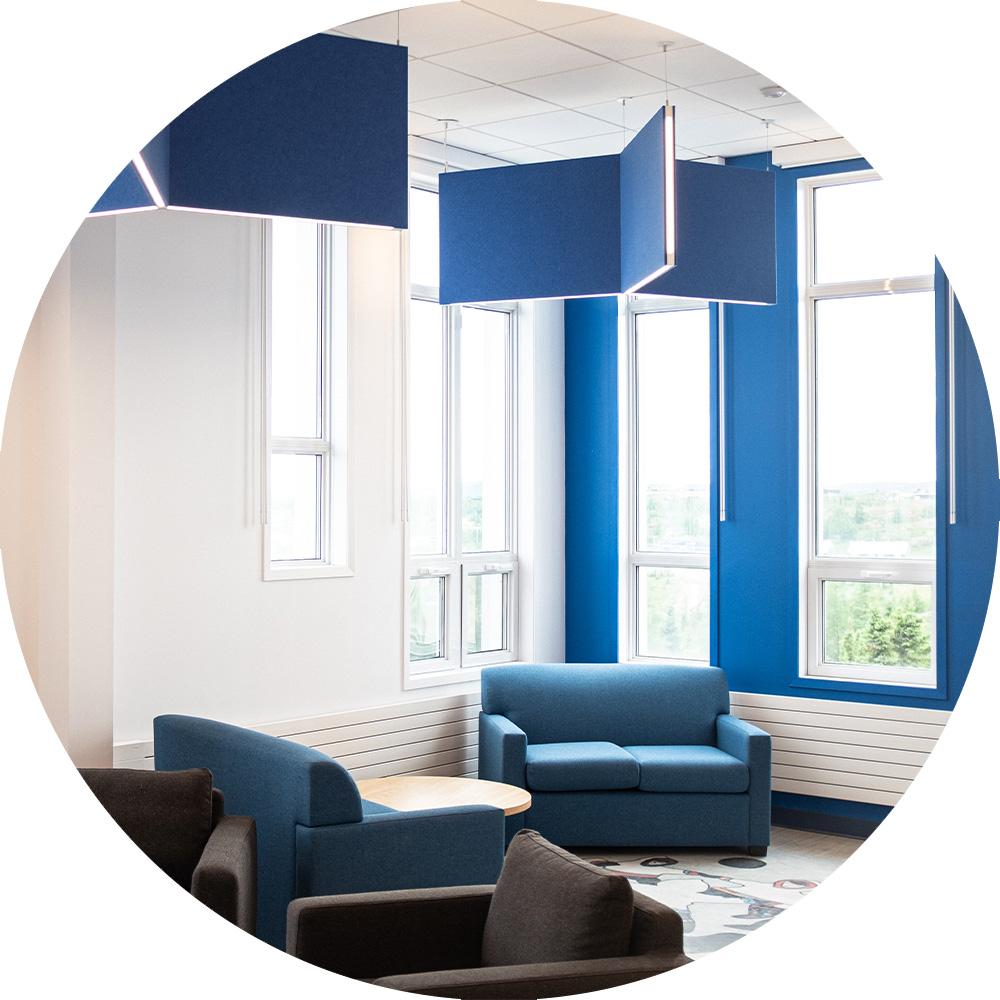
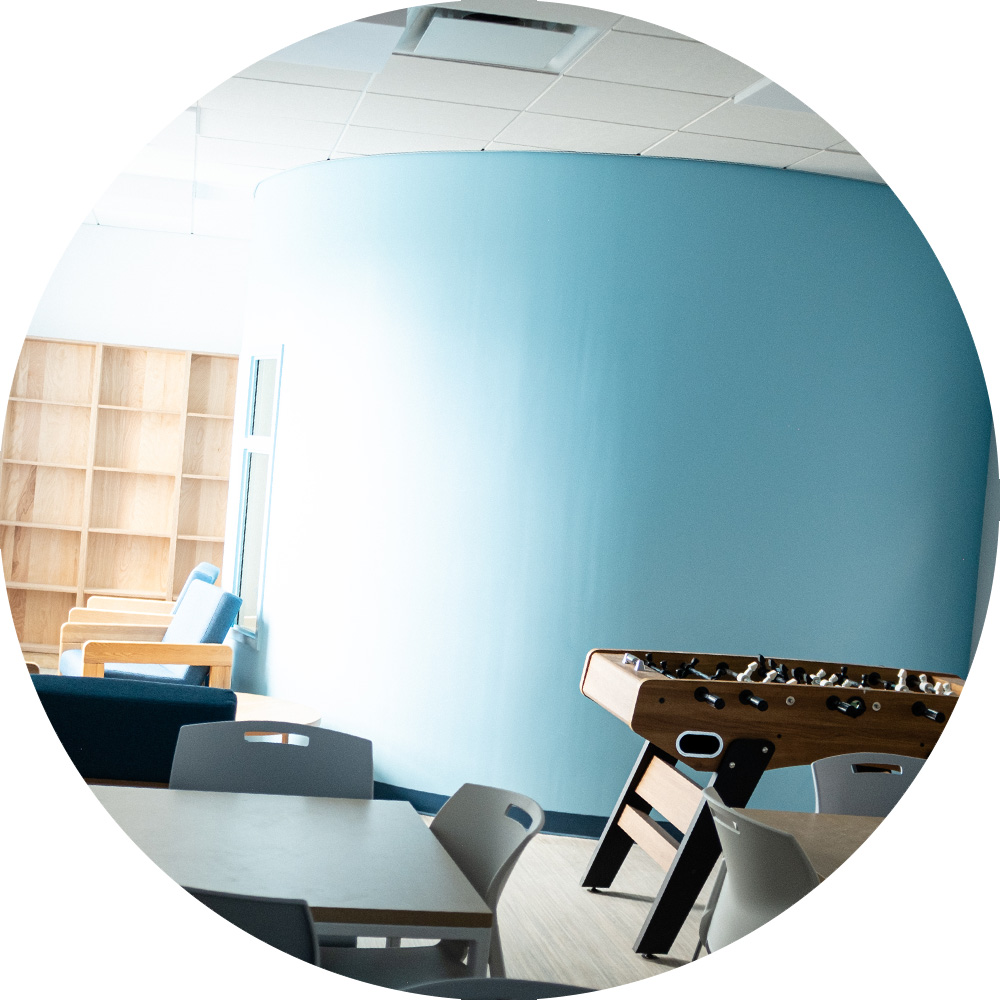
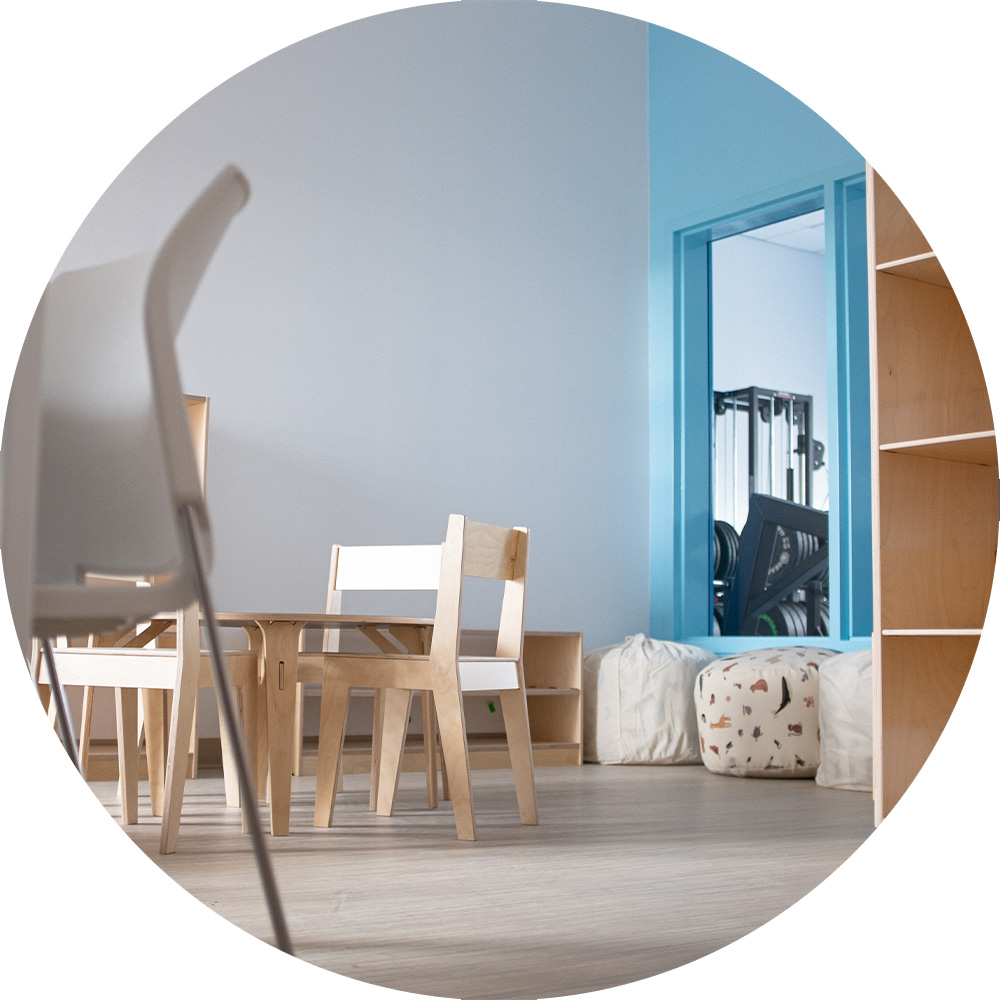
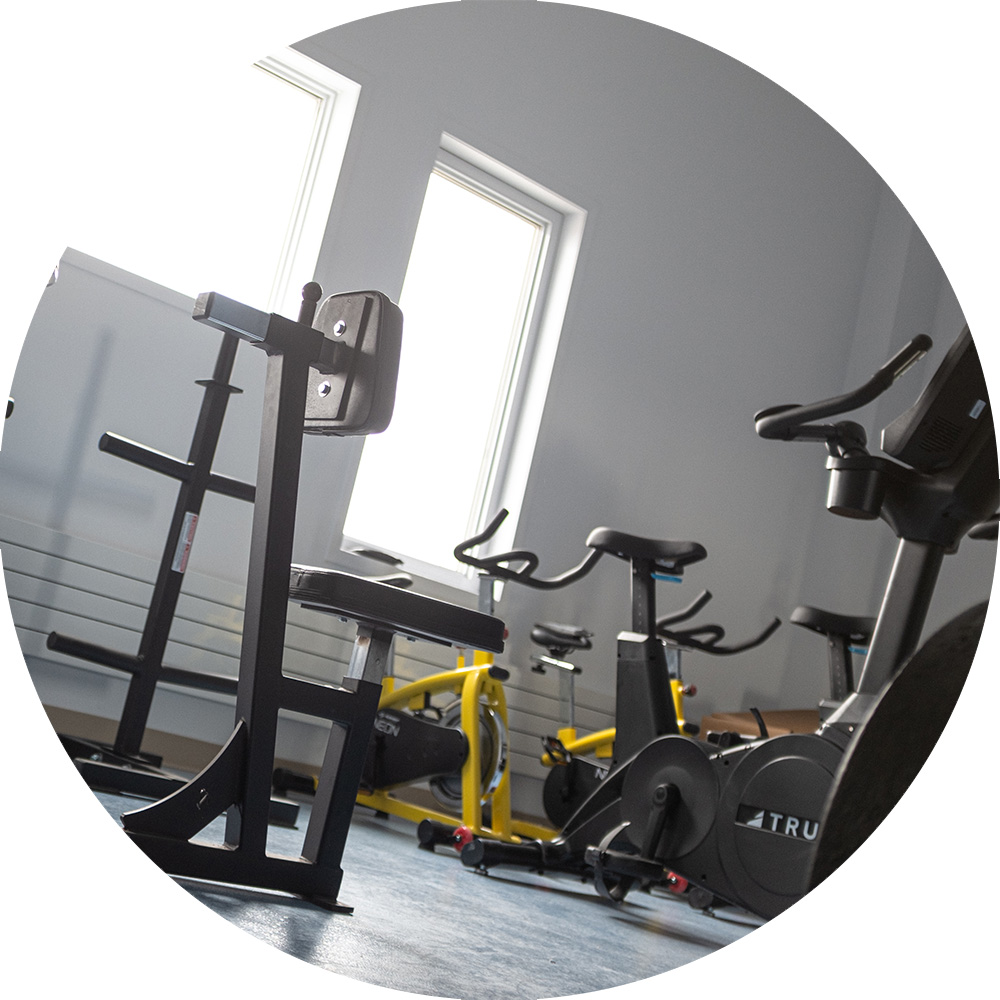
We can’t assume the spaces will be used the same way as in southern Quebec. It’s essential for us to fully understand the needs of the future occupants. As requested by Kativik Ilisarniliriniq, we designed larger family units for student parents and their children, as well as rooms dedicated to cultural activities, such as preparing country food, sculpture, and physical training. At every entrance, it was also important to provide a closed hall with furniture to store boots. In addition, colour choices influence how spaces are perceived; for this residence, we chose a palette of blues and whites inspired by Kuujjuaq’s natural elements, and we avoided bright shades of red and orange.
At the student residence, some of the studios were designed to be convertible into double rooms to accommodate families. This design ensures the space can remain flexible over time.
A place to live and learn
The new student residence includes two-bedroom units and individual studios, with a capacity for 84 students.
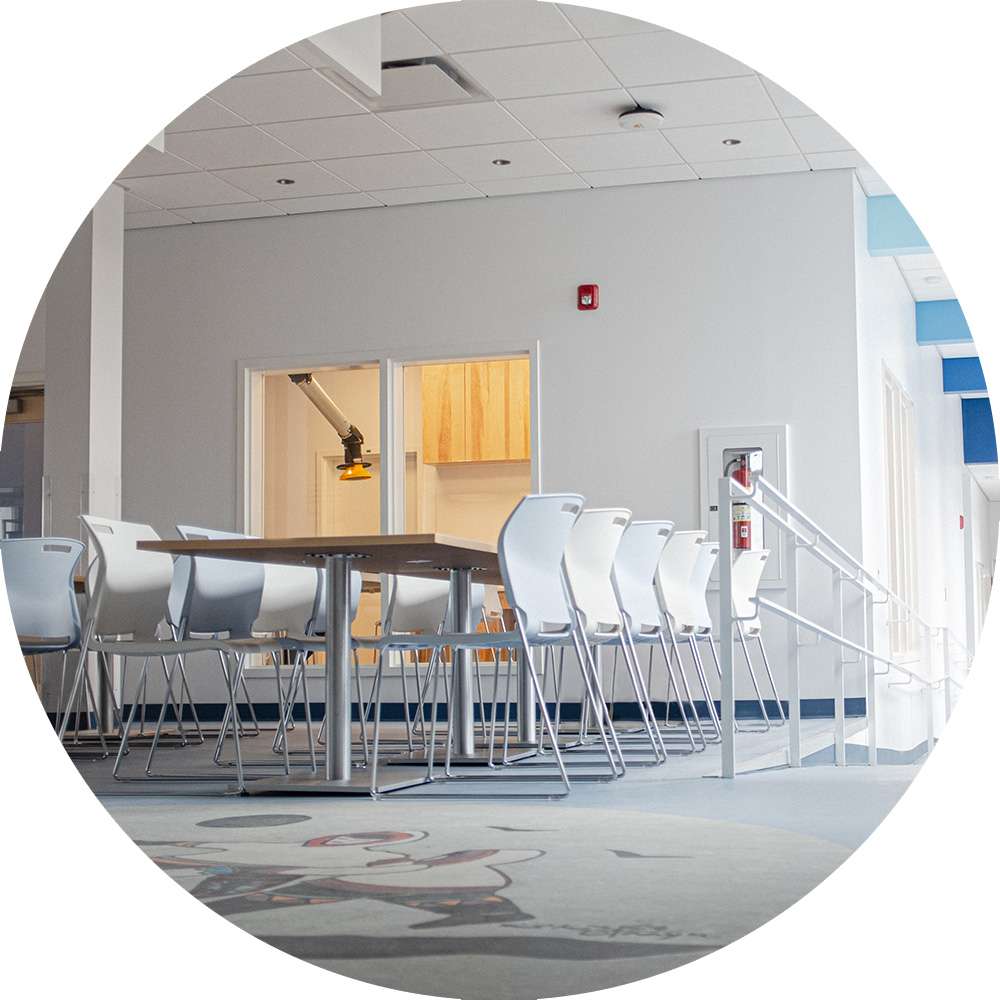
“We’re not just delivering a building. We’re providing a workplace for the staff and a living environment for the students,” emphasizes Mélissa. On several occasions, our professionals meet with the people who will be using these spaces to make sure their needs are taken into account. The building is therefore equipped with a commercial kitchen, which can serve three meals a day, seven days a week. Other features include a multimedia lounge, a game room for the children, and two cultural activity rooms.
“It’s really an ambitious project. You have a mix of multiple private spaces, public and meeting areas, dining spaces… All of these come with major technical considerations,” concludes Mélissa, after giving us a tour of the site. In short, every detail has been carefully thought through.
A project serving a greater purpose
The construction of this student residence is part of our school board’s broader vision: to expand adult education opportunities in Nunavik without uprooting learners from their communities. In 2023, Kativik Ilisarniliriniq announced a series of initiatives to improve access to vocational training, including new facilities, satellite connectivity for online courses, programs such as accounting and hairdressing, as well as courses for students with special needs (Radio-Canada, 2023).
The goal is clear: enable Inuit to study, qualify for employment, and contribute to their communities while remaining in their homeland.
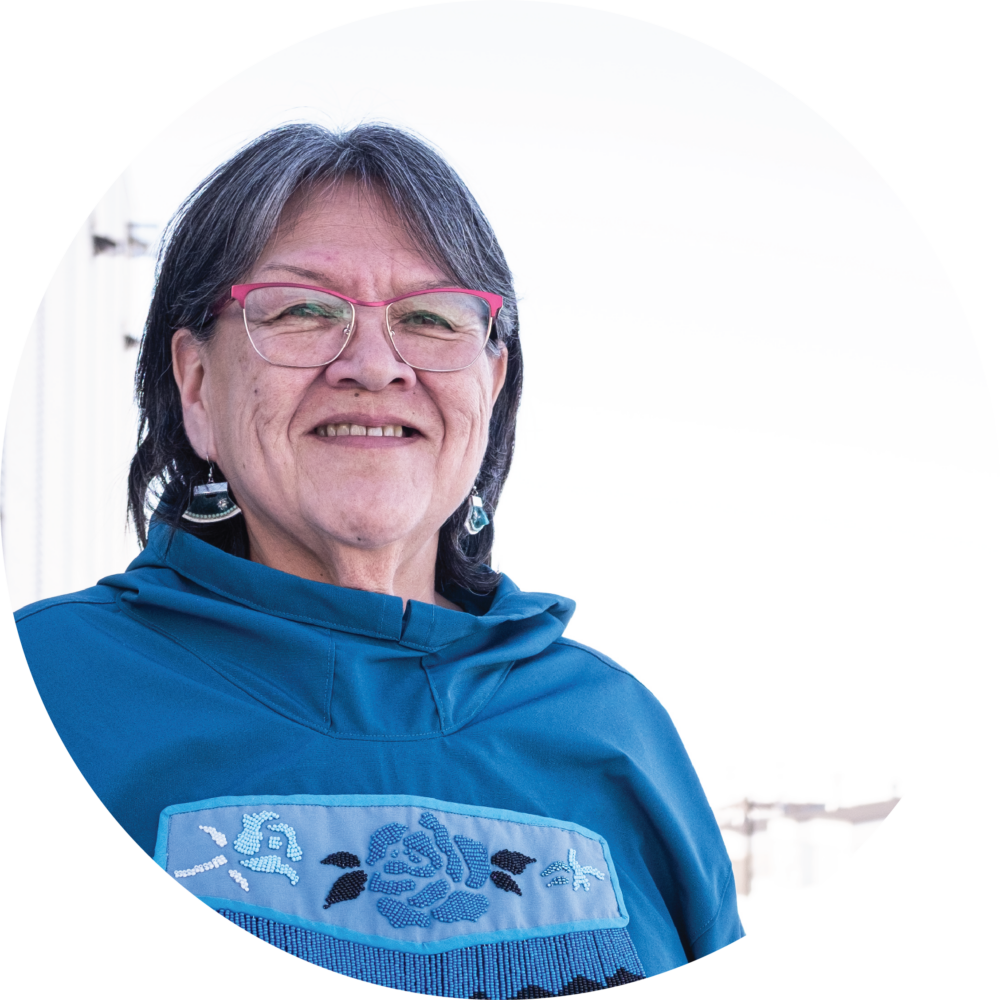
These centres are very important for our people, so they can earn their diploma here. […] One day, I’d like to see Inuit in all spheres of leadership in the North.
To be continued…
Now that the residence has been built, it will be ready to welcome its first residents in the fall of 2025.
But what happens once the buildings are completed? How can their management, maintenance and sustainability be handled in extreme weather conditions? That’s what we’ll explore in the third and final article of this series.
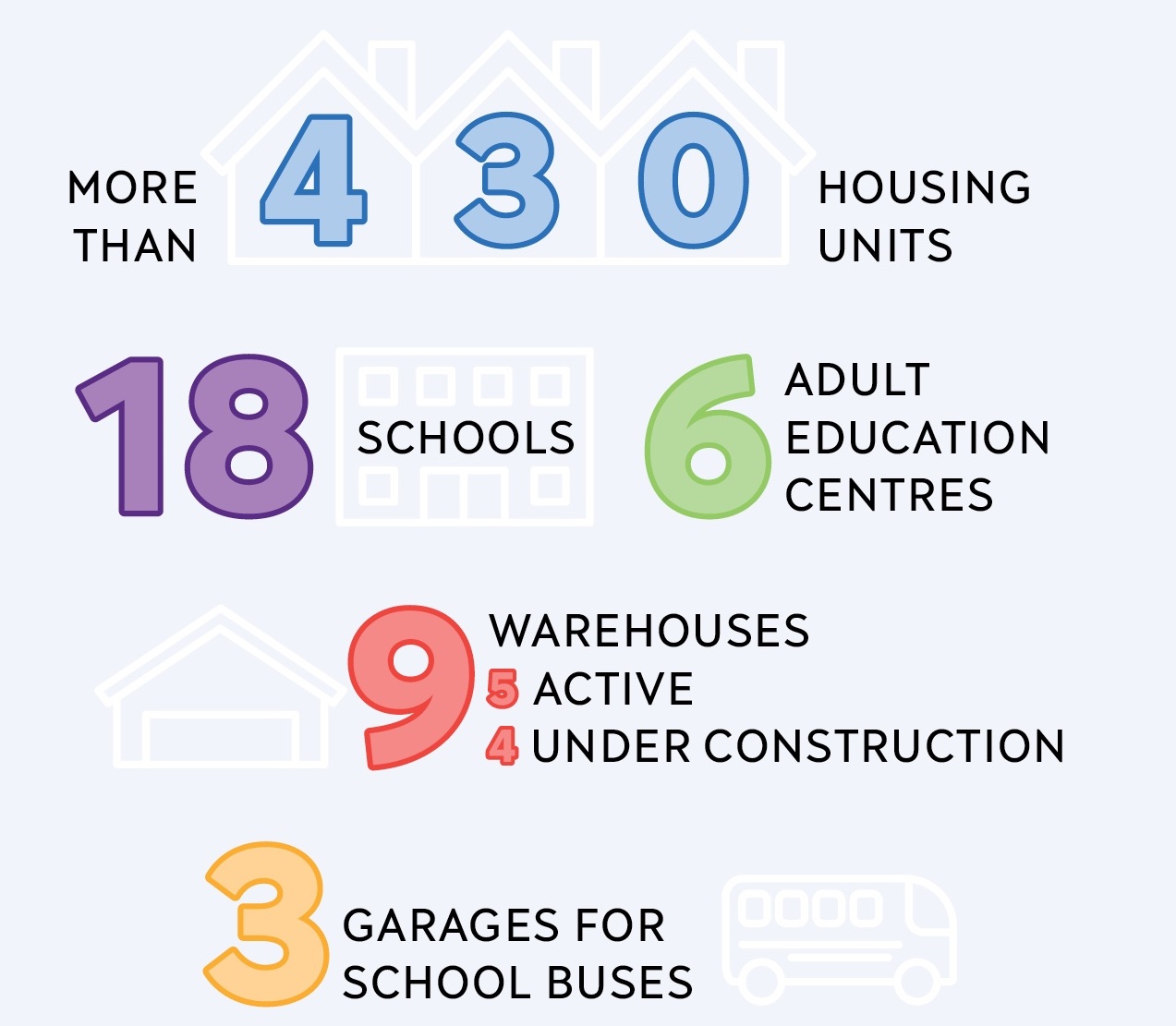
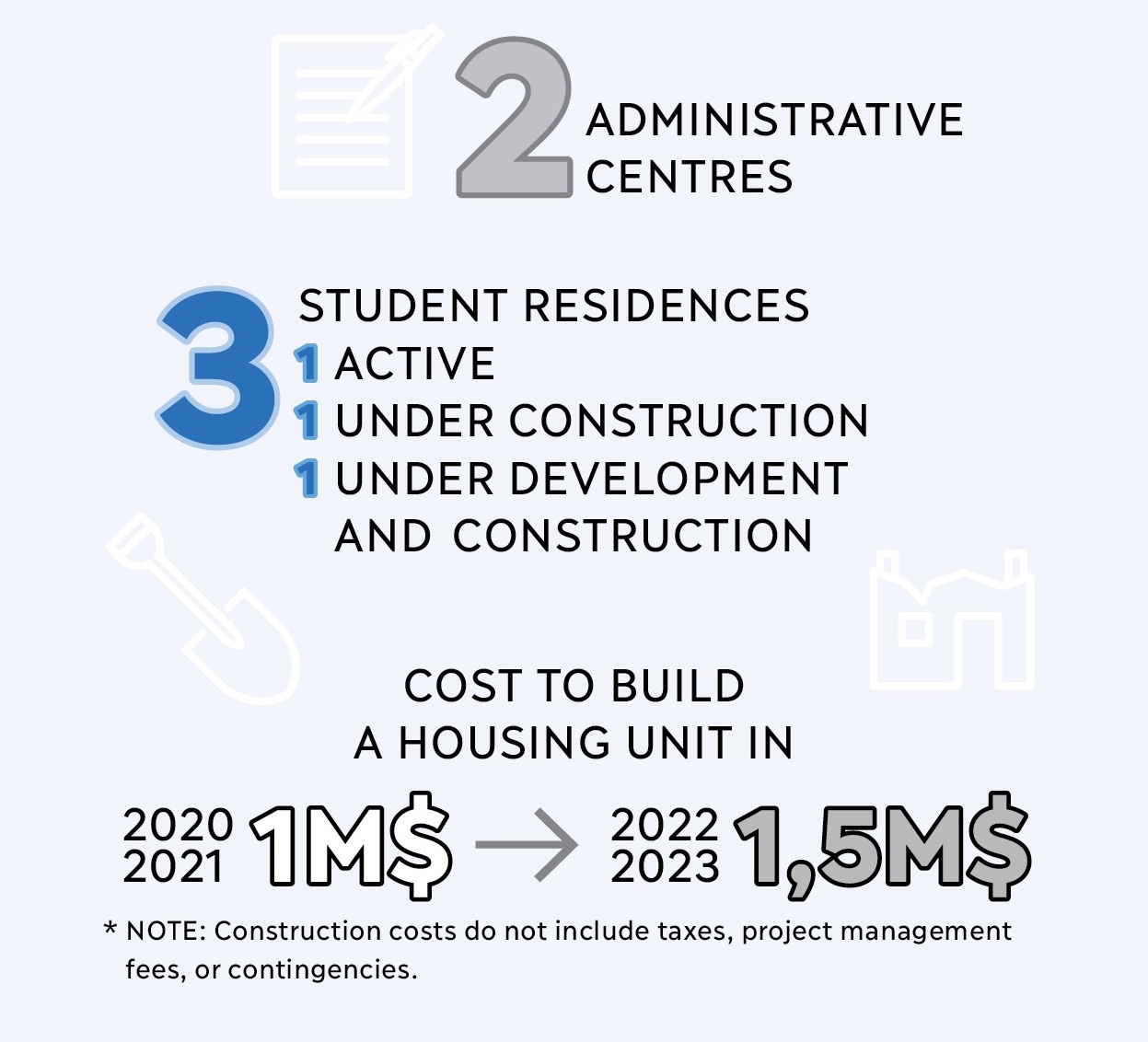
Our infrastructure at a glance
Curious to know more about building in Nunavik? Check out the following articles:
Article 1 ➔ Building in Nunavik: The challenges of Choosing a Site