Pathways to Student Success: Every Journey Deserves a Map

Education is not a single road with one destination. Just like travelling across Nunavik, there are many routes you can take to reach your goal. Some paths are direct, some include a few detours, and others help you discover strengths and interests you did not know you had. What matters is finding the path that fits you.
At Kativik Ilisarniliriniq, student success is built on the idea that every learner can reach their full potential while becoming an active and contributing member of their community. The Pathways to Student Success reflect this vision. They recognize that students learn in different ways, at different paces, and with different aspirations.
Rather than offering a one-size-fits-all approach, the Pathways to Student Success create a network of learning opportunities that support students from their first days in school through adulthood.
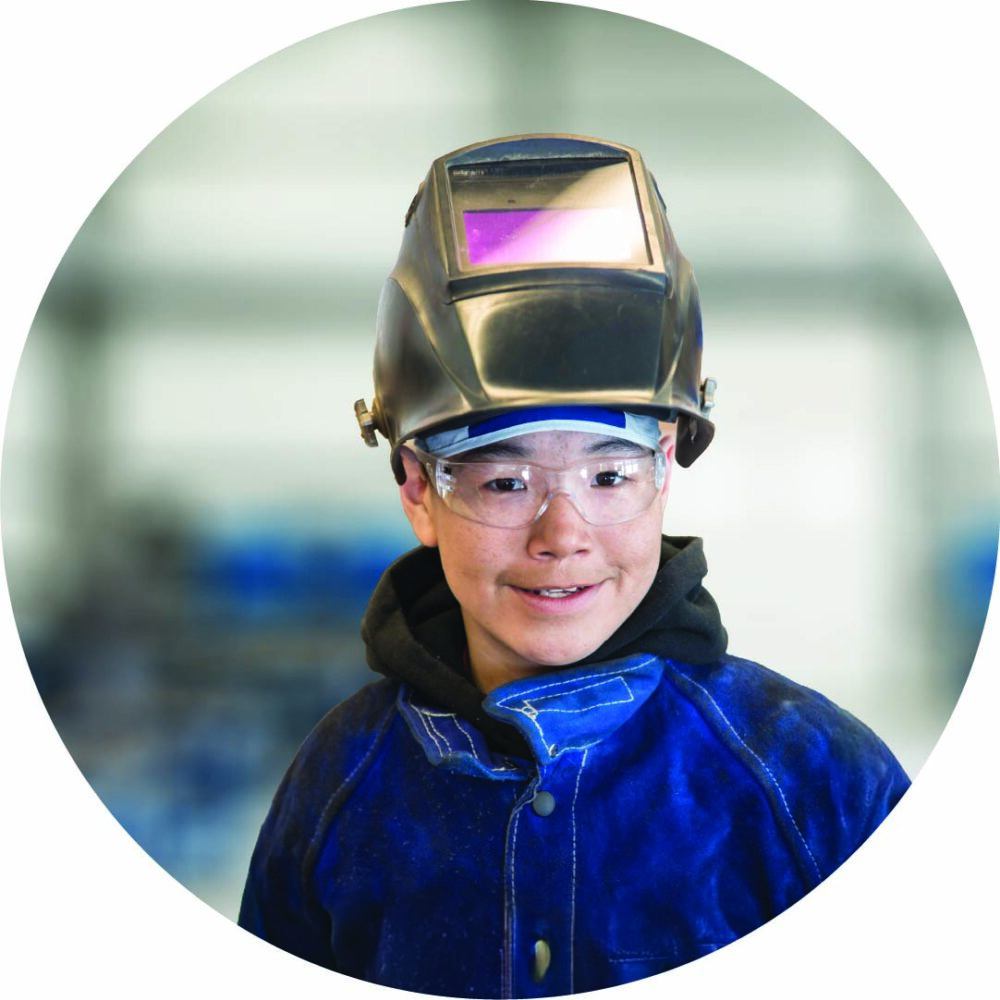
Whether a student dreams of pursuing college studies, learning a trade, entering the workforce, or returning to education after time away, there is a pathway designed to help them move forward.
Building success one step at a time
For many families, the educational journey begins with the regular secondary school pathway. This program provides a comprehensive general education that meets all provincial requirements and leads to a Secondary School Diploma. Along the way, students earn credits, develop academic skills, achieve important educational milestones, and prepare for future studies or career opportunities.
But success is not defined by a single diploma. A student who dreams of becoming a carpenter, for example, may thrive better by connecting coursework to that goal early on, while others benefit from programs that balance academics with practical experience. The pathways recognize these differences and provide alternatives that can be just as meaningful and rewarding.
One example is the Pre-Vocational pathway, which helps students prepare for a specific vocational training program. Through a personalized schedule, students focus on earning the prerequisite credits they need, while also exploring their interests through a personal project.

The goal is to keep students engaged, motivated, and moving toward a future they can clearly envision through career exploration and personalized learning.
Learning through a pathway that offers hands-on experience
Some students discover their strengths when learning extends beyond the traditional classroom. The Pre-Work Training (PWT) and Training for a Semi-Skilled Trade (TST) programs combine general education with practical learning opportunities that connect school to everyday life and employment.
In PWT, students develop essential employability skills, workplace skills, and greater confidence in their abilities while continuing to learn subjects such as mathematics, Inuktitut, and more. Work-training placements and practical projects allow them to apply what they learn in real-world settings and gain confidence in their abilities. Successful graduates receive a certificate recognizing both their school completion and employability skills.
The TST pathway offers another hands-on option. Through work-training experiences and preparation for specific trades, students build valuable workplace skills while continuing their academic development. Graduates earn a Training Certificate in Semi-Skilled Trades that can open doors to employment or further vocational studies.
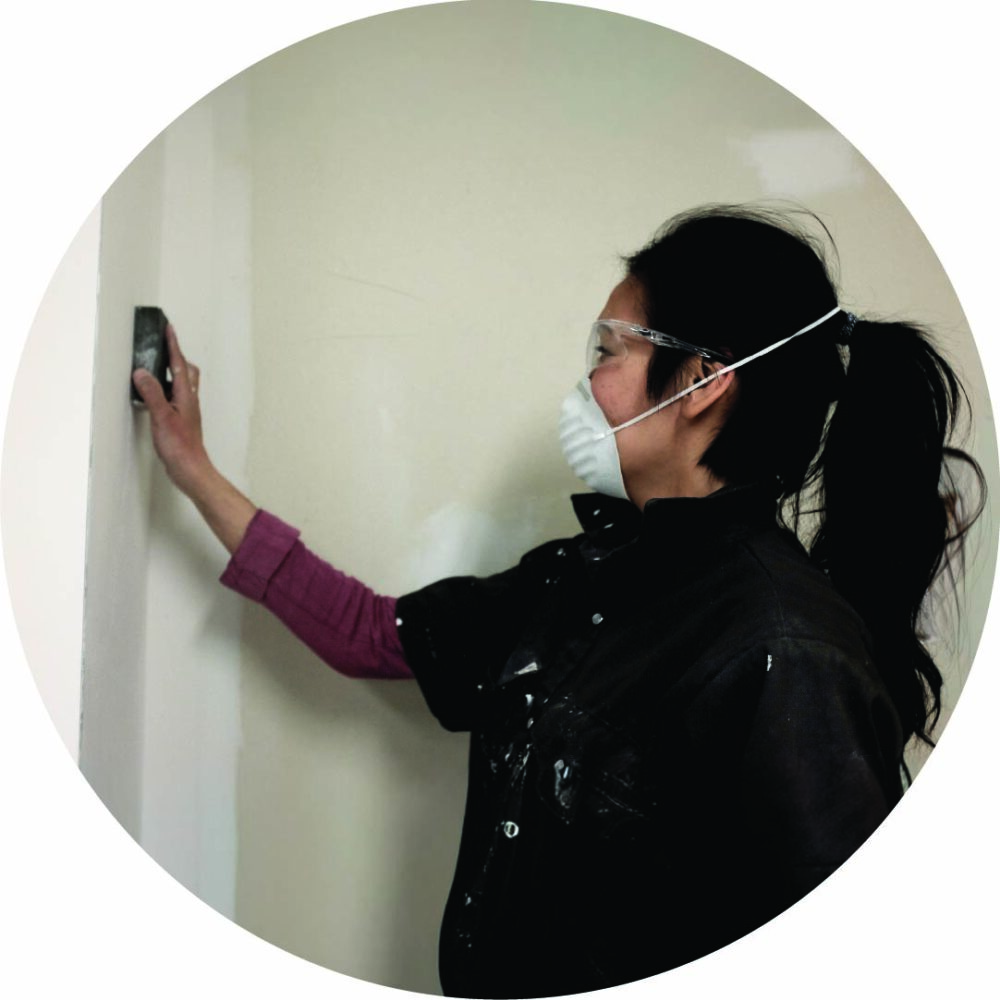
These pathways are not shortcuts. They are purposeful programs that help students discover their strengths, gain practical experience, and build a sense of achievement that will serve them long after they leave school.
New pathways at every stage of life
Education does not stop at age 16, and neither do opportunities.
For adults who left school before earning a diploma, the pathways continue through the adult education sector and the post-secondary level. Adults aged 21 and older can even be admitted to university programs as mature students. Previous credits, life experience, and existing skills all have value. Adult learners can pursue adult education, general education, vocational training, or work toward the prerequisites needed for college, university, continuing education, or specialized programs.
This flexibility recognizes an important truth: every educational journey is different. Some students move directly from secondary school to post-secondary studies, while others return to learning later in life with new goals and experiences. All journeys are valid, and all deserve support.
Finding the right pathway, together
No pathway is inherently better than another. What makes a pathway the best choice is how well it supports a student’s strengths, interests, and ambitions.
These decisions are made collaboratively between students, families, teachers, counsellors, and school staff to create a personalized educational pathway. Together, they explore possibilities and identify the supports that can help each learner succeed. The result is a more personalized educational experience and a clearer sense of direction for the future.
Like the many trails that connect communities and camp sites across Nunavik, the Pathways to Student Success are interconnected. A student may begin on one path, transition to another, and continue exploring new opportunities along the way. What remains constant is the support available to help them keep moving forward.
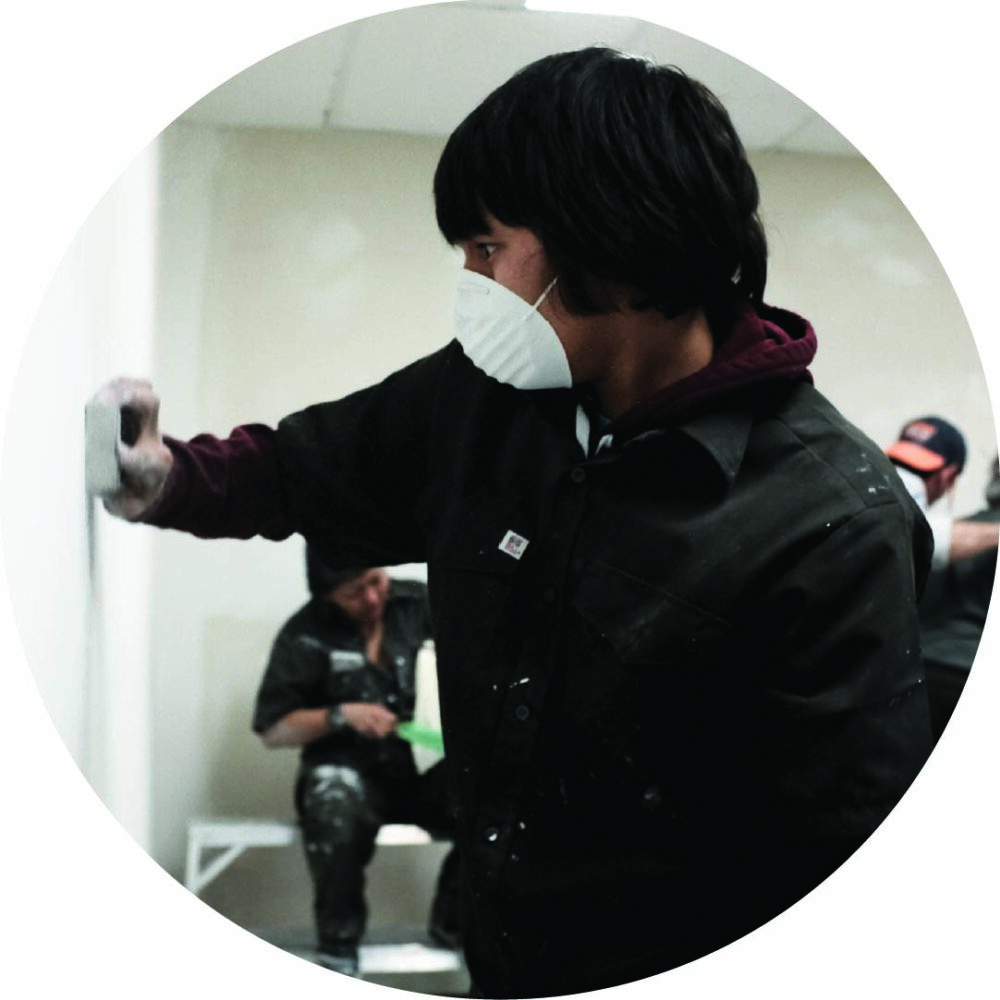
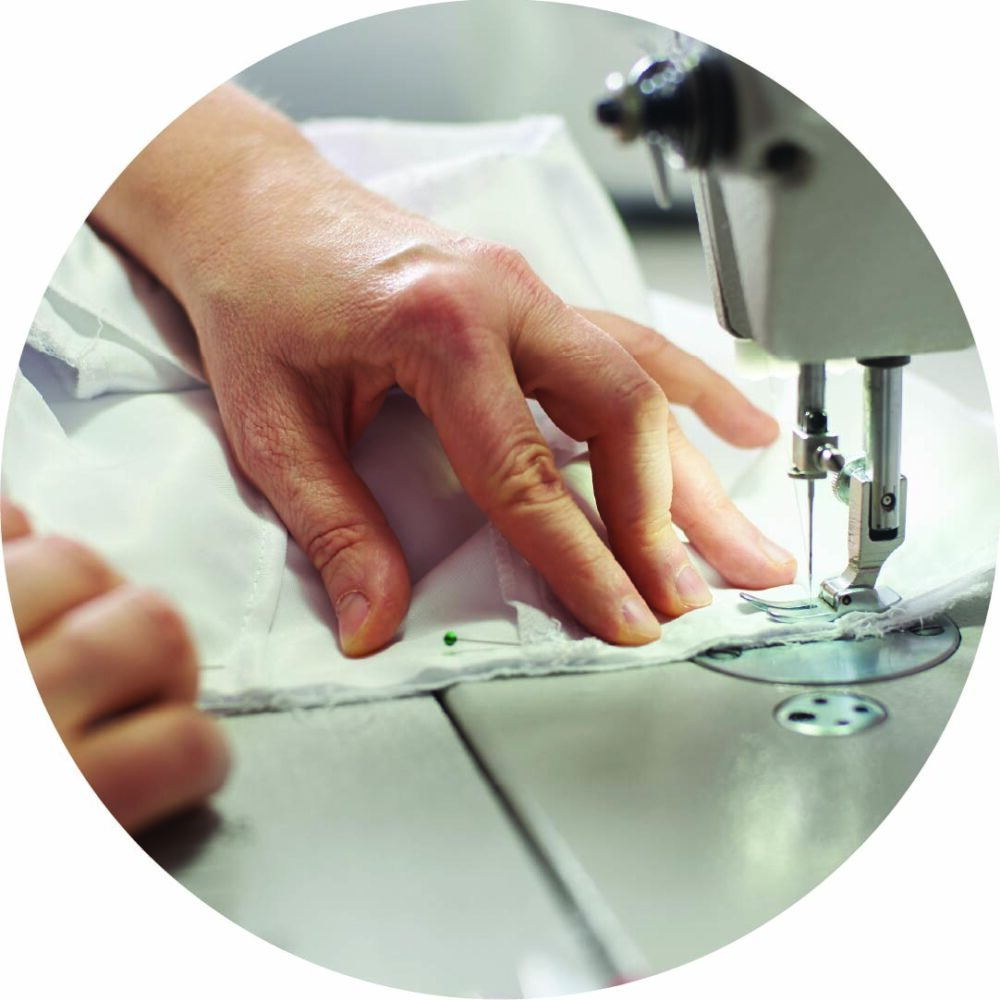

Through the Pathways to Student Success, Kativik Ilisarniliriniq helps students and families explore the possibilities available to them. If you are wondering which pathway may be the best fit for your child, start the conversation. Speak with your child’s teacher, school administrators, counsellors, or other school staff. Together, you can identify your child’s strengths, interests, and goals, laying the foundation for success both in school and beyond.
And if you are 16 years of age or older, it is never too late to explore new educational opportunities. Whether you are considering adult education, vocational training, post-secondary studies, or returning to school after time away, there are pathways available to help you achieve your goals.
Start the conversation and discover where your path could lead you.
Explore the youth sector pathways