Special Education in Nunavik: Supporting Every Student
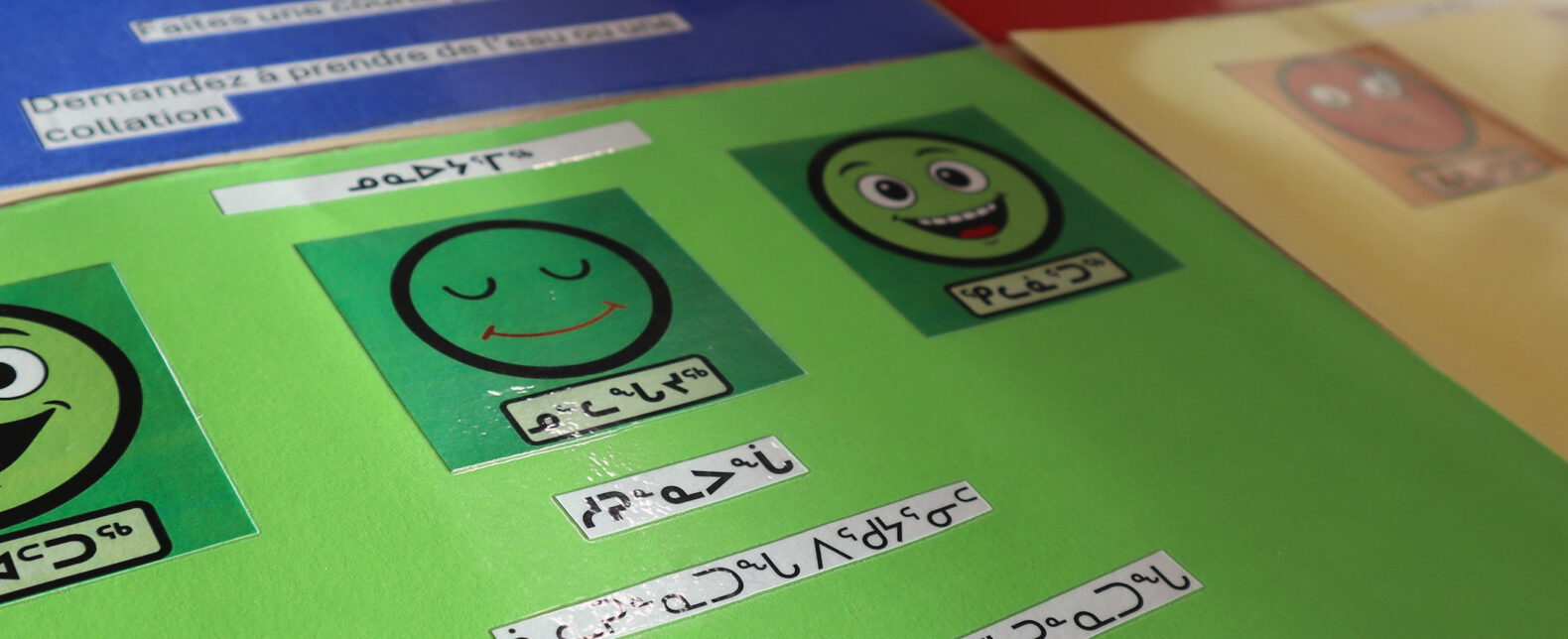
Nunavik’s schools welcome students with a wide variety of needs. Some struggle with reading or managing their emotions in class, while others progress at a pace that doesn’t match the usual milestones. To support every one of them, Kativik Ilisarniliriniq provides a chain of special education services that starts in the classroom and extends through to regional specialists.
Special education at Kativik Ilisarniliriniq: one team, one vision
Alongside the psychosocial support services offered to students, the Complementary and Compassionate Services (CCS) department coordinates all resources related to special education. At the local level, most school teams offer educational services, remedial teaching follow-up services, and support from a special education technician. At the regional level, the CCS team includes education consultants, speech therapists and psychologists.
These two levels complement each other. The regional resources don’t replace local teams: they provide them with tools, training, and expertise they otherwise wouldn’t have access to.
Our role is to work alongside educators, families, and communities to create the conditions for every learner to succeed. Our unique collaborative chain of services connects classroom staff, school teams, and regional specialists to support students as they grow, learn, and reach their full potential.

Did you know? Special education teachers work in close collaboration with classroom teachers, not in their place. They cocreate strategies, share observations about students, and suggest resources adapted to their needs. The entire school team benefits from their work.
Special education in action: from observations to intervention plans
Most of the time, a classroom observation is what sets the chain of services in motion. When a student shows signs of difficulty, the teacher will adapt their approach, then contact the school team if challenges persist. If necessary, and with the parents’ consent, specific support services may be provided.
When the situation calls for it, an Individualized Education Plan (IEP) is developed with the student, their family, and the school team. This plan sets out specific goals and how to achieve them, evolving as progress is made. It is a living tool, not a static document.
Parents play a central role in this process. They are the ones who know their child best, who can speak to their strengths, and who can support them throughout their school journey. They are always encouraged to take part in team meetings.
At Kativik Ilisarniliriniq, we create safe, welcoming, and strength-focused spaces where students with exceptionalities shine. Together, with families and communities, we build inclusive, culturally strong foundations for all students to thrive.
Working at the heart of communities: the everyday life of special education teachers
In Galyna Ovcharenko’s classroom, at Pitakallak School in Kuujjuaq, special education takes as many different forms as there are students. Galyna once supported a student whose photographic memory allowed him to recognize entire words without going through the alphabet. By building on this strength instead of bypassing this different learning style, she opened up a new path to reading for this student.
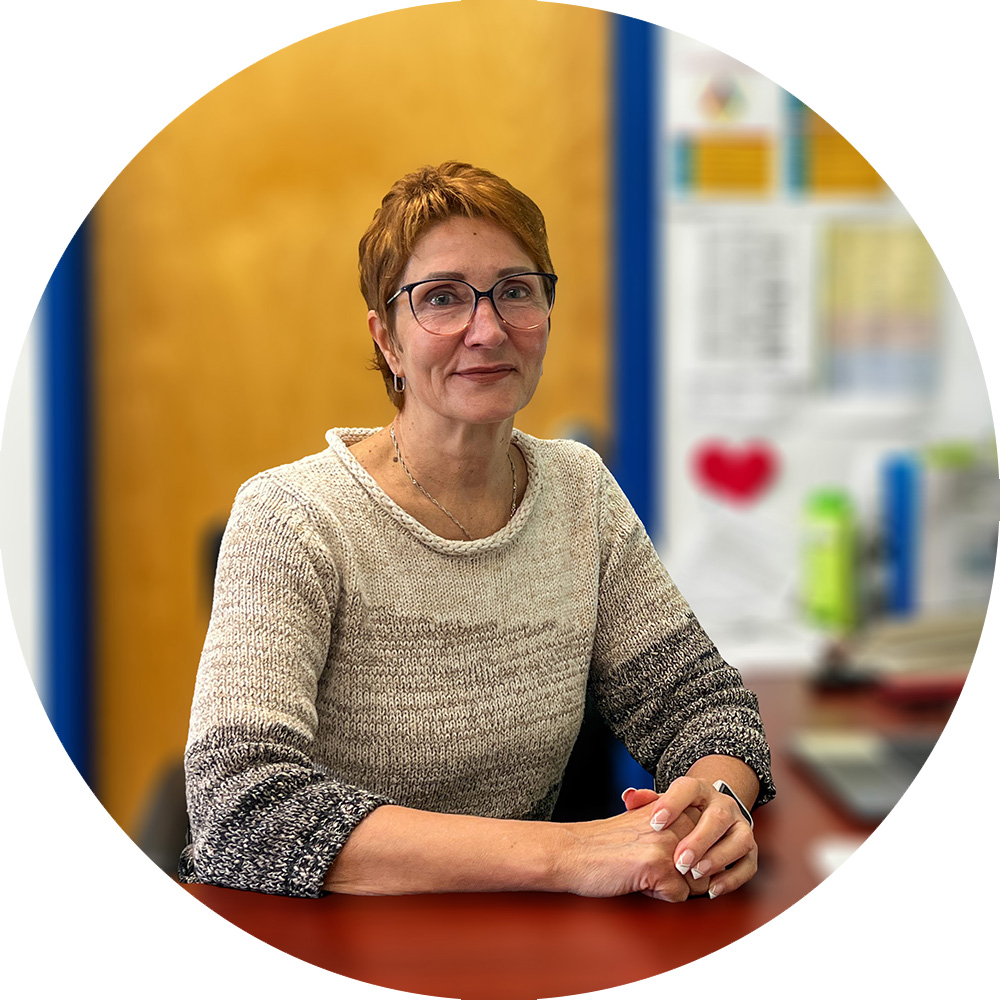
A special education teacher’s work is different from a classroom teacher’s. Some children have behavioural or emotional regulation difficulties. My job is to help them fit in and feel part of the classroom. Each person is so different and unique.
Cameron Jolicouer also understood the importance of adapting to each student’s needs when he was a special education teacher at Isummasaqvik School, in Quaqtaq. He first joined the school as a general classroom teacher in 2013, then moved into a special education role in 2020 after noticing a real gap in his school.
“I was starting to really get to know the students, and I realized that many of them needed individualized support. There was no special education teacher back then, so I asked [our principal at the time] Serge Molière if I could try it. He said yes. So I started out in 2020.” Over the years, the support from the regional team also grew. When we met him in 2021, Cameron mentioned that weekly training sessions and information updates regularly took place with the education consultants from the CCS team. “It’s great to have access to all that,” he said.
Today, as Vice-Principal of Isummasaqvik School, he draws on his special education experience to advance an inclusive vision of success, where differences are embraced and where each student receives the necessary support to chart their own course.
Did you know? The CCS’s training sessions for special education teachers are also recorded for those who cannot attend live. This flexible approach was designed for the realities of working in Nunavik.
Special education in Nunavik is grounded in a conviction the CCS team carries every day: every child, regardless of the challenges they face, has strengths they can build on in order to progress. From early classroom observations to intervention plans, with support from the regional team, every link in the chain exists to ensure the students of Nunavik can learn, grow, and contribute to their communities.
Interested in finding out more about special education? Check out the following article:
The 2023-2024 School Year: a wealth of possibilities for Complementary and Compassionate Services ➔
We’re hiring, and we offer attractive benefits!
Apply today and join our team.
BROWSE JOBS ➔
BROWSE BENEFITS ➔
We are fortunate to have a wonderfully devoted team. Meet more members of our staff here: Thanks to all of our long-time employees!