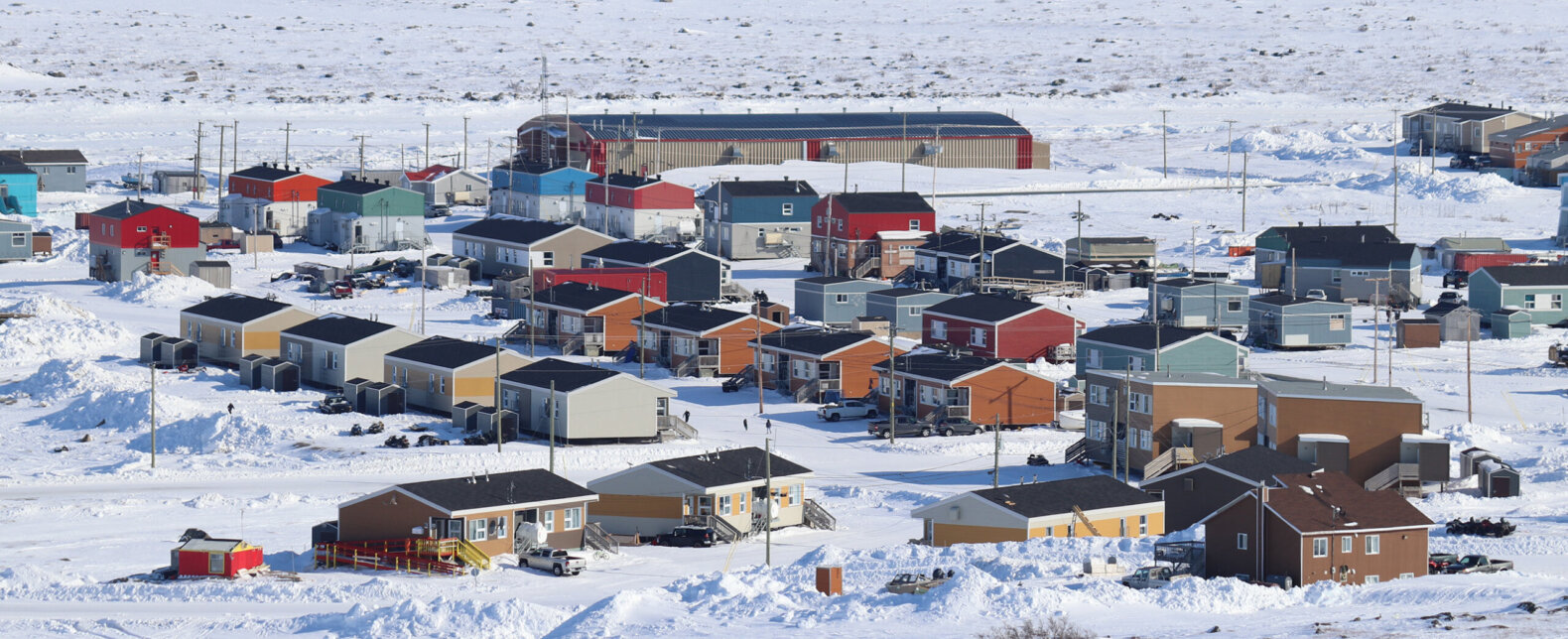
In Nunavik, environmental stewardship cannot be separated from the land or from the realities of daily life in northern communities. At Kativik Ilisarniliriniq, one important part of that responsibility happens behind the scenes through the way materials are bought, used, stored, salvaged, and eventually removed from communities. For Matthew Smith, whose cleanup work evolved into a broader maintenance management role, stewardship means reducing risk before it grows and making sure hazardous products do not remain as a burden for the environment or for the people who live and work nearby.
How the management of hazardous materials evolved into a necessary work practice
For years, Kativik Ilisarniliriniq operated across Nunavik without a consistent system for managing waste and hazardous end-of-life materials from one village to another. As a result, practices differed between communities, and older materials gradually built up in various locations. Fuel spills and chemical-related incidents in schools highlighted the need for a more organized and preventive approach.
When Matthew first took on this work, one of the main challenges was simply figuring out what was already there. Some chemicals had been sitting untouched for 20 or even 30 years, often without labels, and products could be found in janitor closets, around houses, or beneath old buildings. In that setting, environmental stewardship was not a distant concept. It started with identifying hidden risks, improving storage methods, and making workplaces safer.
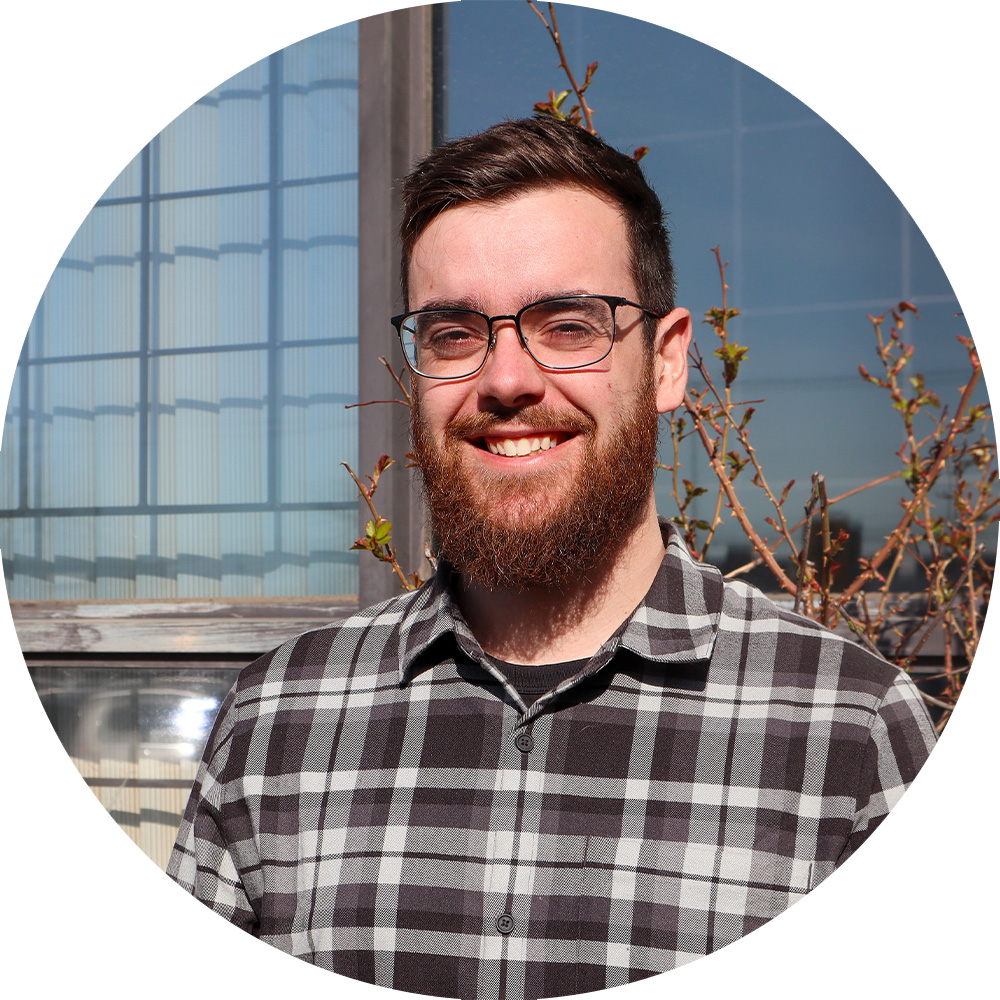
The biggest point for me is that all the waste is a result of what we buy and what we use. We need to remember there’s a whole chain. It’s not just ‘we bought it, we used it, it’s over’.
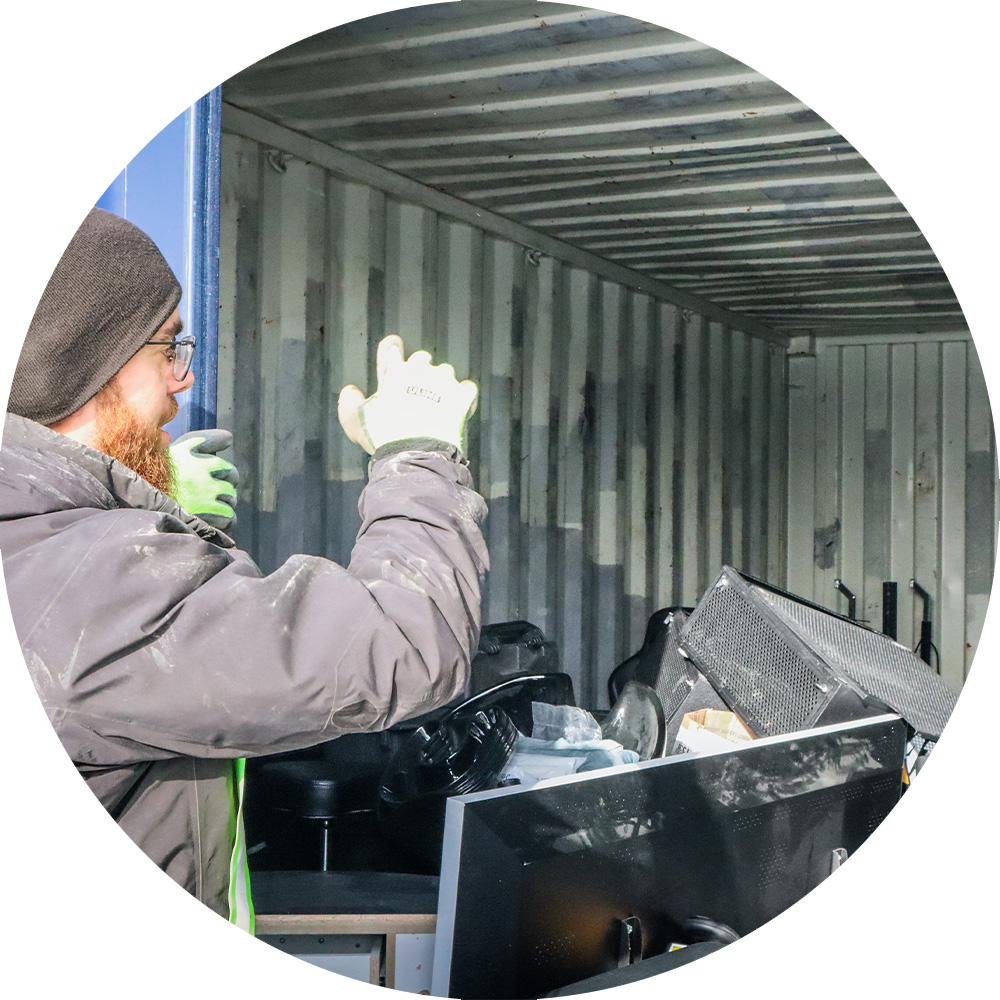
Across the organization, people quickly saw the importance of this work. Matthew says local teams are relieved to see hazardous materials removed from their communities instead of being left in local dump sites or work areas. Beyond the cleanup itself, this shift has also helped create cleaner, safer environments for the staff who handle these materials every day.
A more preventive approach to environmental risk reduction
Over the past four years, Kativik Ilisarniliriniq has shifted from a mostly reactive model to a more preventive one. In Nunavik, where communities are isolated and the School Board’s operations produce many different types of waste, that change is significant. According to Matthew, one of the biggest improvements has been focusing more on reducing risk before something goes wrong. This includes choosing equipment that is better suited to northern conditions, using fuel reservoirs that are less likely to leak after a collision, and ensuring that every community has access to large spill kits.
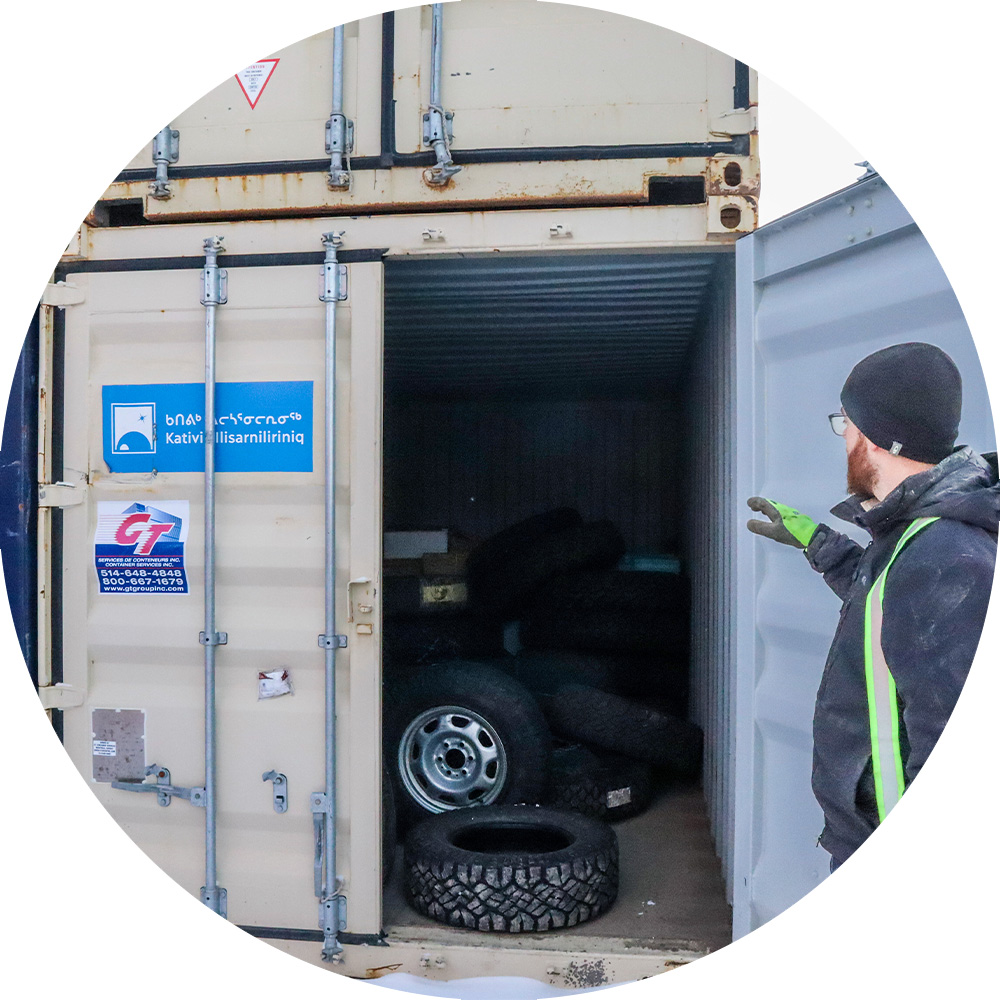
That same level of attention is now being applied more broadly to storage and handling practices. Better labelling, clearer storage procedures, and regular communication between local employees and the teams coordinating transport have all become part of the process. Matthew emphasizes that having the right tools matters, but ongoing education matters just as much. People need to understand the risks in their workplaces and feel comfortable asking for guidance when materials need to be stored locally until they can be dealt with properly.
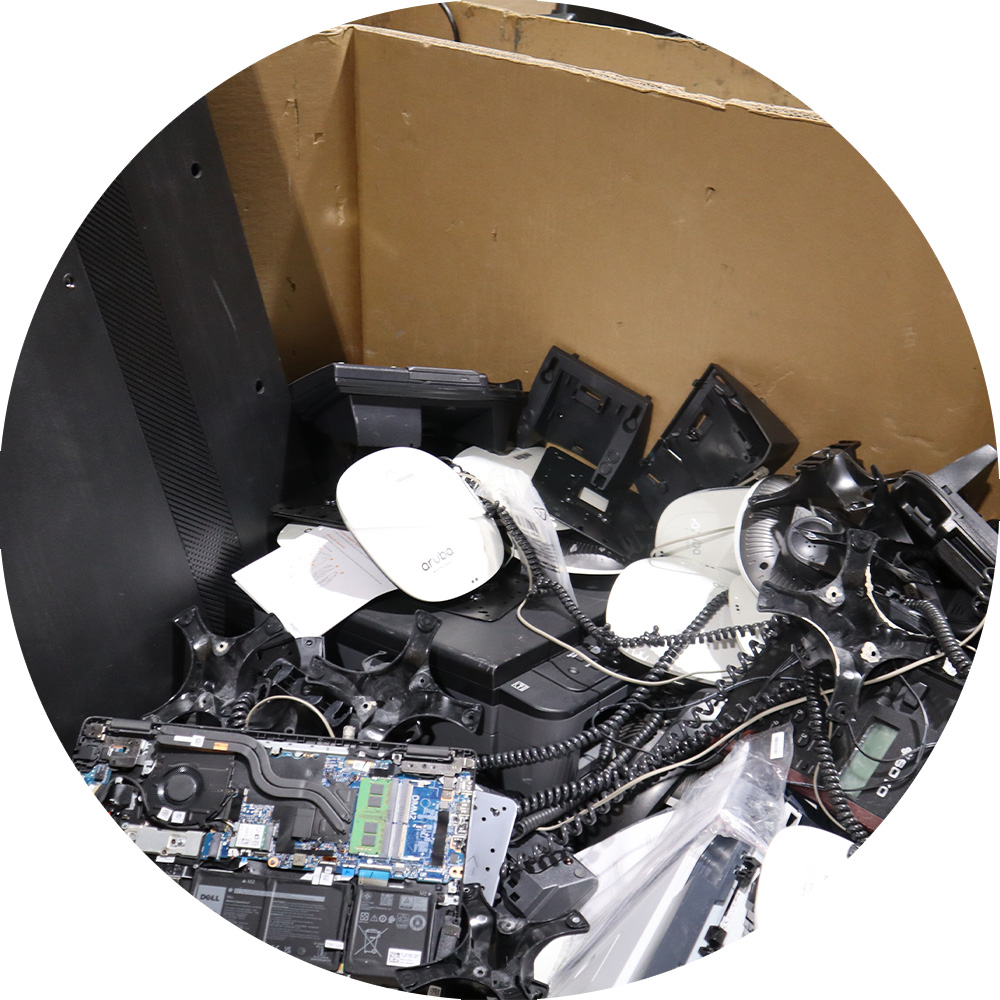
This work is closely connected to the environmental realities of the region. Matthew points out that if hazardous materials are not managed properly, they might end up burned, left in a landfill, or leaking into groundwater and affecting local wildlife. With that in mind, prevention is not only about efficiency. It is also about reducing the chances that a product will cause lasting harm after it reaches the end of its useful life.
Stewardship begins long before disposal
For Kativik Ilisarniliriniq, responsible disposal is only one part of the story. Matthew believes real stewardship begins much earlier, with the choices made when materials are purchased and used. That means selecting items that are easier to transport, safer to store, less dangerous if damaged, and, whenever possible, easier to maintain over time. Reducing waste starts long before something is ready to leave a community.
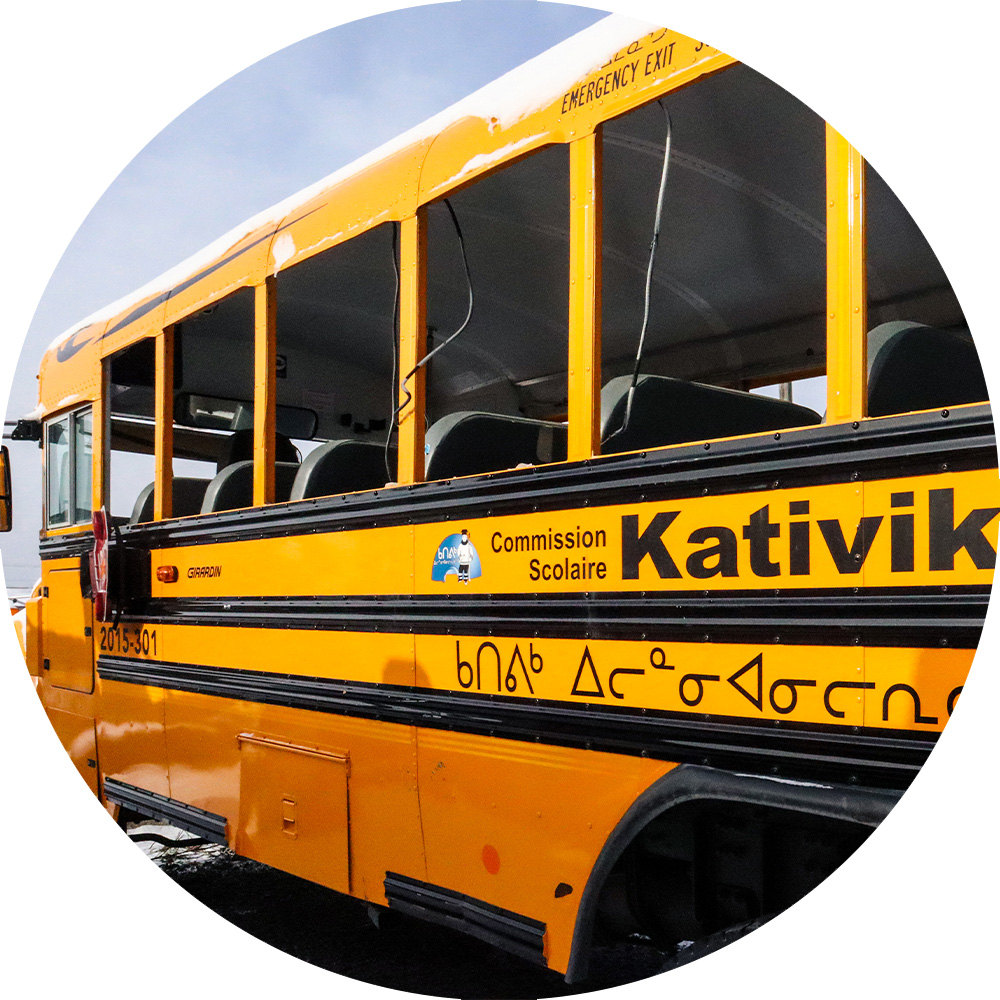
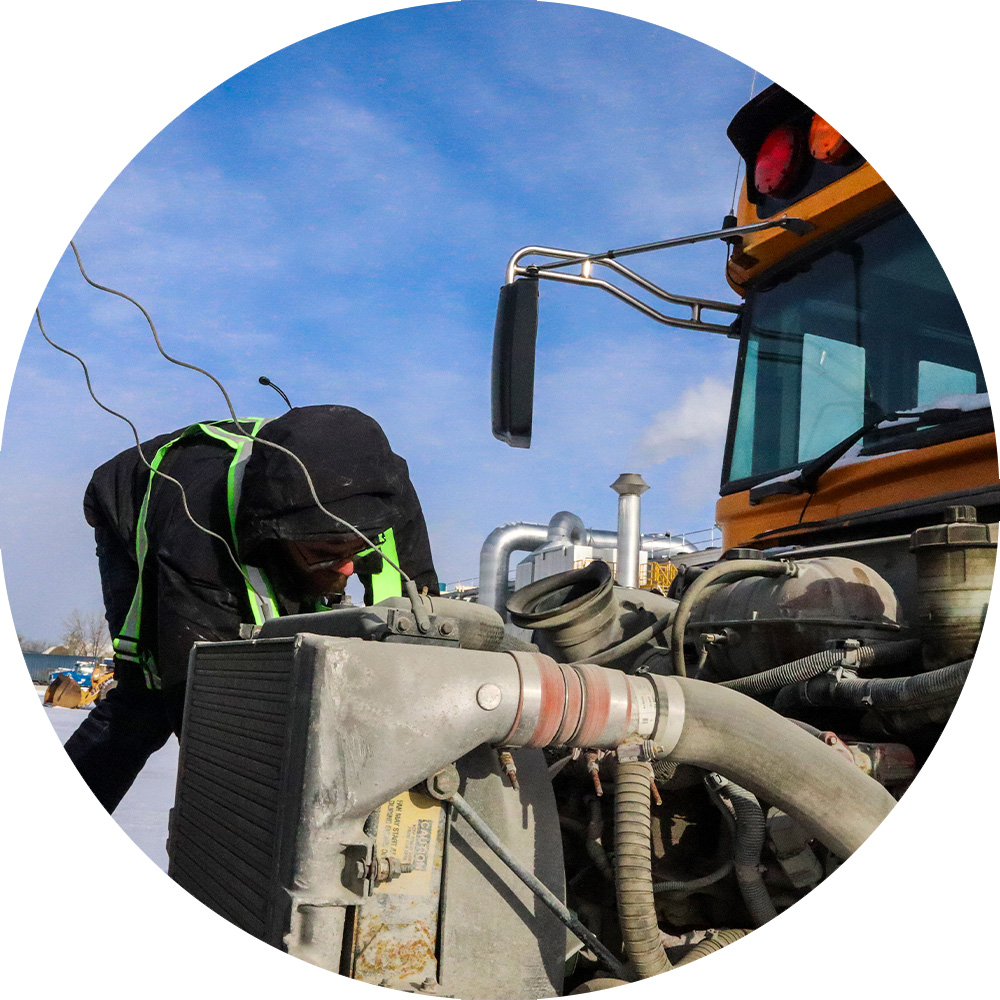
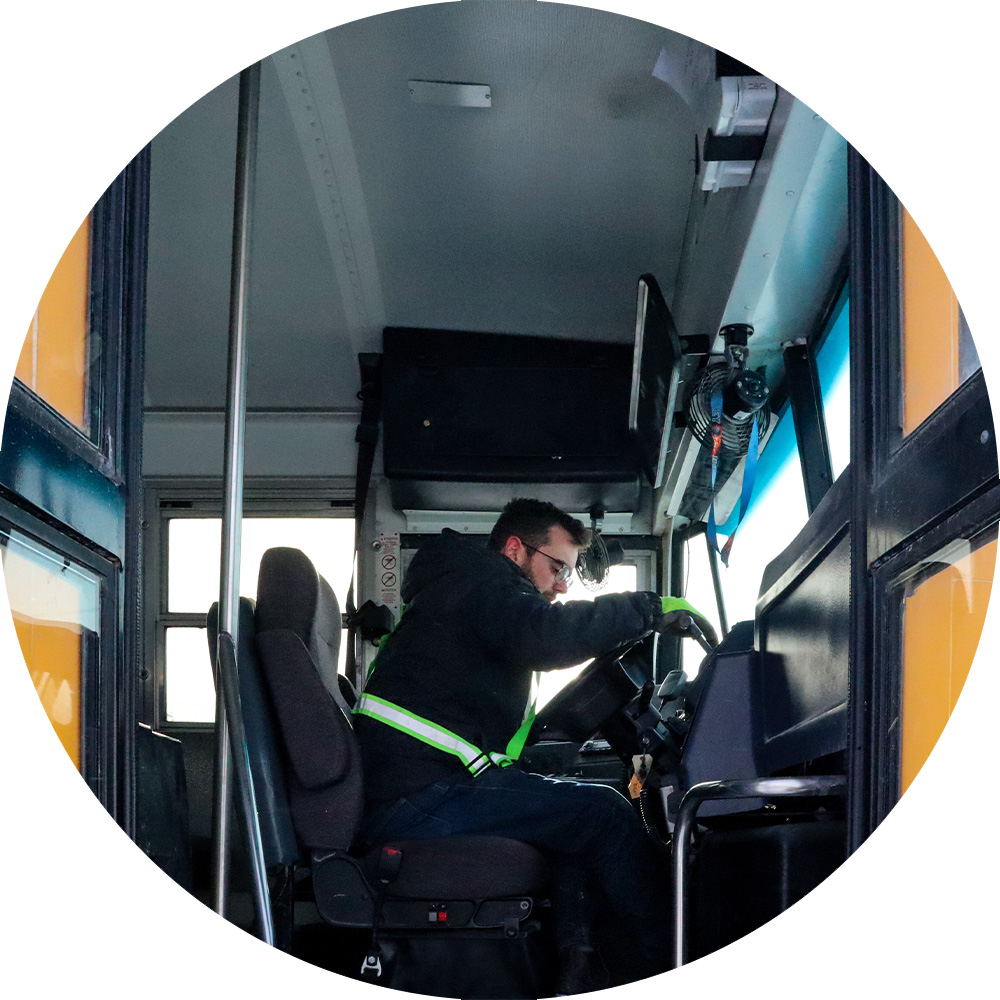
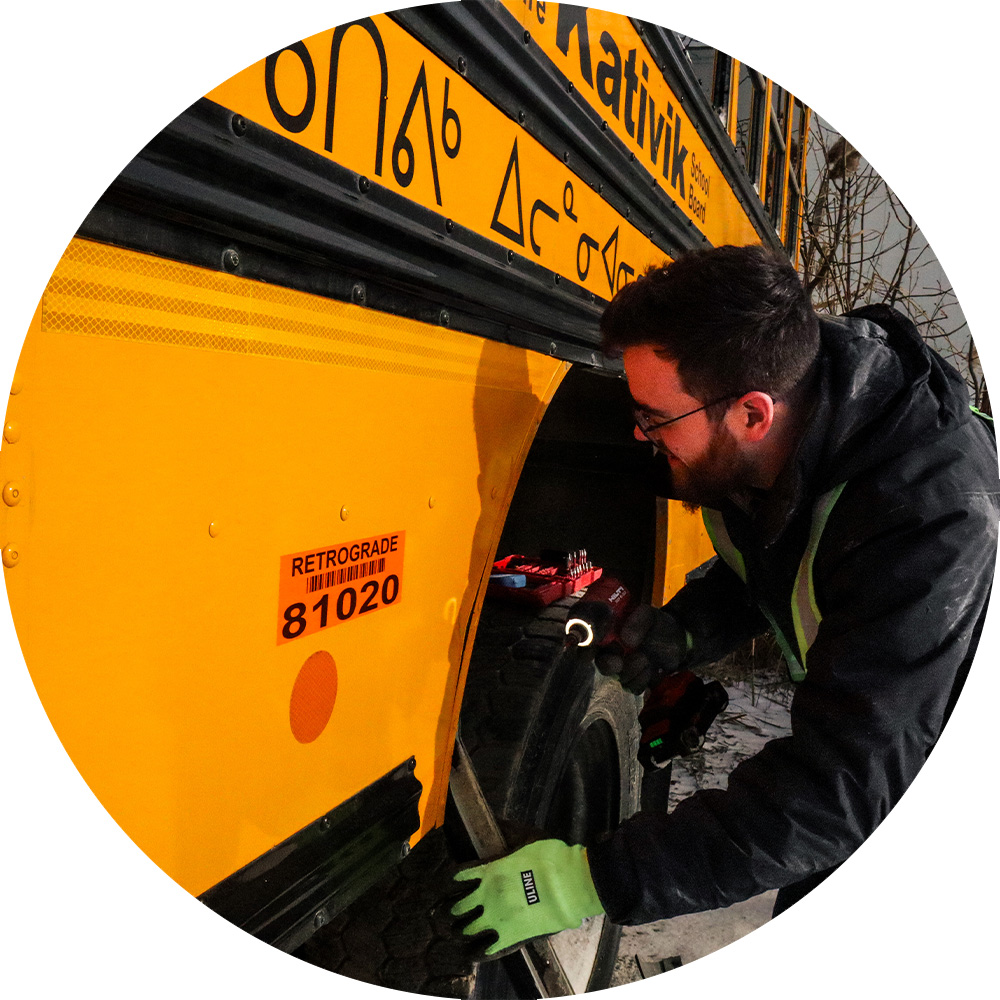
In the North, reuse is not just practical. It can also reduce delays, prevent unnecessary purchases, and help limit waste. Matthew gives the example of removing a usable part from a bus and sending it to Salluit instead of ordering a brand-new replacement. For him, this reflects a larger responsibility: recognizing that everything the organization buys will eventually have an impact somewhere, whether it remains in use, is salvaged, is shipped south, or becomes waste.
Before a vehicle is sent south for recycling, teams first identify what can be safely recovered, such as headlights, bumpers, or other removable parts. Some of those parts can be kept as spares for another village, while small consumer-level items in good condition may also be offered locally instead of being thrown away unnecessarily.
Matthew also sees stewardship as something that local teams should increasingly carry forward themselves. He remembers returning to Quaqtaq after working with the local team a few times and finding that they had already prepared all the material on their own, with everything sorted exactly as needed. For him, that was a meaningful sign that the work was taking root locally and that teams were growing more comfortable with the process over time.
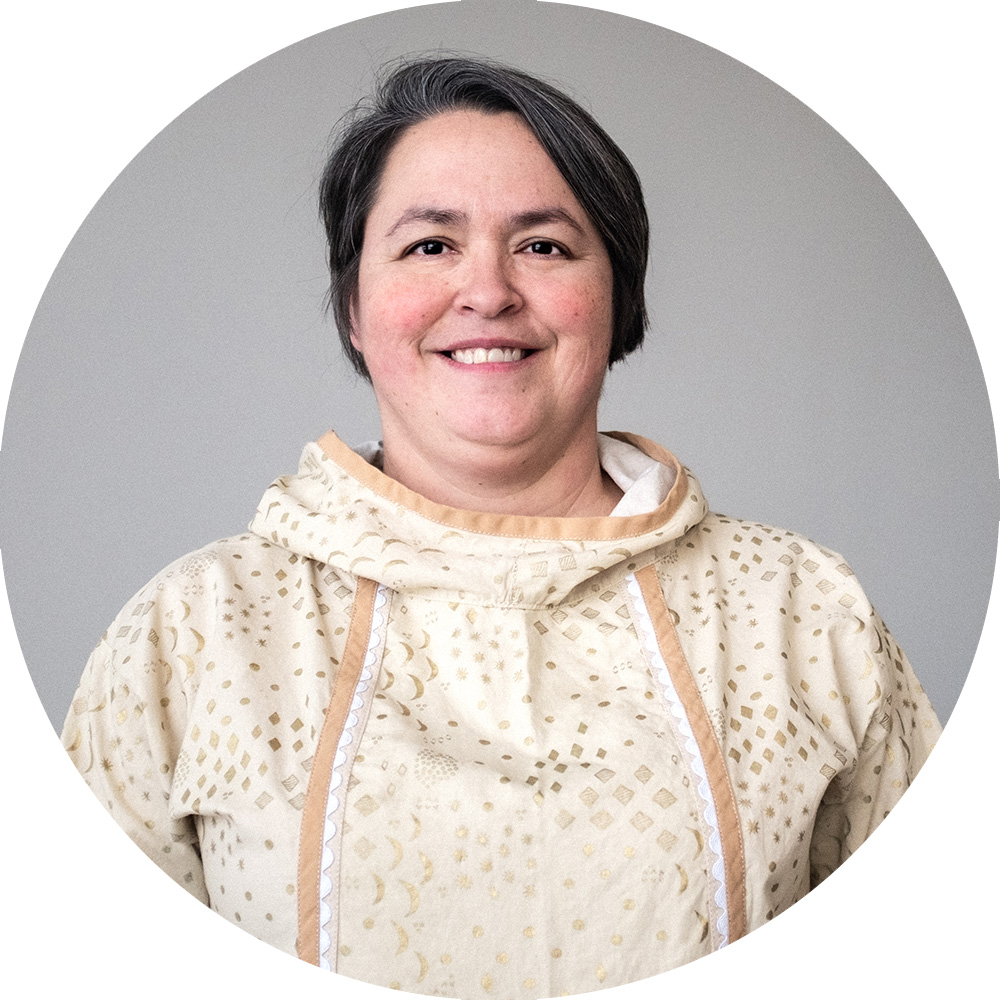
Kativik Ilisarniliriniq is proud to be part of a change that can have a lasting impact for future generations in Nunavik. Whenever possible, we want to give items a second life rather than letting them go to waste. The environmental impact should always be considered during any cleanup, and local recycling initiatives also help teach youth how to protect the land and our way of life.
Looking ahead, Matthew believes the strongest system would be one in which Nunavimmuit feel fully confident managing the process from beginning to end. He also sees ongoing education and more consistent purchasing of safer, more sustainable products as essential next steps. In that sense, environmental stewardship is not a one-time cleanup effort. It is an ongoing commitment to making better choices, reducing risk, and respecting the land that remains central to life across Nunavik.
Interested to know more about this subject? You may enjoy this story:
Construction of a New School in Quaqtaq ➔
We’re hiring, and we offer attractive benefits!
Apply today and join our team.
BROWSE JOBS ➔
BROWSE BENEFITS ➔
We have an awesome team of dedicated staff. Meet more of our long-time employees here ➔