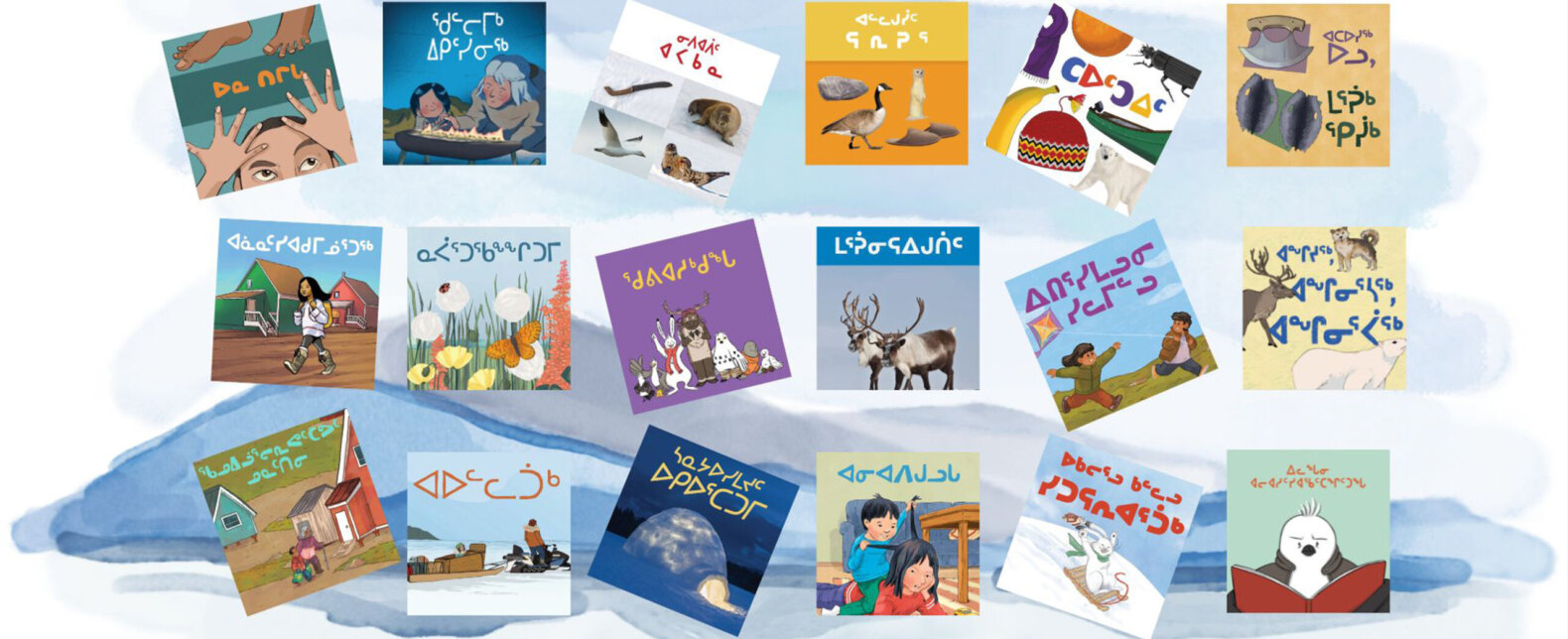
In Nunavik, the need for more relevant Inuktitut reading materials has been clear for a long time. In collaboration with Nunavut’s Arvaaq Press, Kativik Ilisarniliriniq is adapting 50 books for young learners and helping bring more classroom materials that reflect students’ language and environment.
Addressing a known literacy need in Nunavik classrooms
For educators in Nunavik, the gap is familiar. While it is somewhat easier to find relevant materials in English and French, resources in Inuktitut that reflect students’ first language, culture, and daily reality remain much less common.
Phoebe Chang, Literacy Development Agent at Kativik Ilisarniliriniq’s Resource Centre, and Vinnie Baron, Education Consultant for the Education Services Department, have both witnessed that gap firsthand. Before moving into her current role, Vinnie spent more than 20 years teaching Inuktitut as a first language in Kangiqsualujjuaq. In that role, she saw how few materials existed for young learners that truly reflected their experiences. “In the past, people did create books,” she said, “but there aren’t many, and we felt it necessary to add to what Kativik Ilisarniliriniq already had.”
Between roughly 2018 and 2020, Vinnie worked on several new books with Catherine Dench, one of Kativik Ilisarniliriniq’s speech pathologists, along with other members of the First Language curriculum development team. In 2020, eight Arvaaq Press books were also adapted into local dialects and made available online when schools closed during the pandemic. These 50 new titles build on that earlier work.
Educators have also publicly voiced concerns about the lack of Inuktitut reading materials. In a 2023 interview with Le Devoir, kindergarten teacher Elizabeth Kudluk said that children were losing their language and coming to school with increasing difficulty expressing themselves fully in Inuktitut.
This most recent project grows from that same reality. It extends work that teachers, pedagogical teams, and other staff members in Nunavik have already been doing for years. Their goal: create and adapt materials for students.
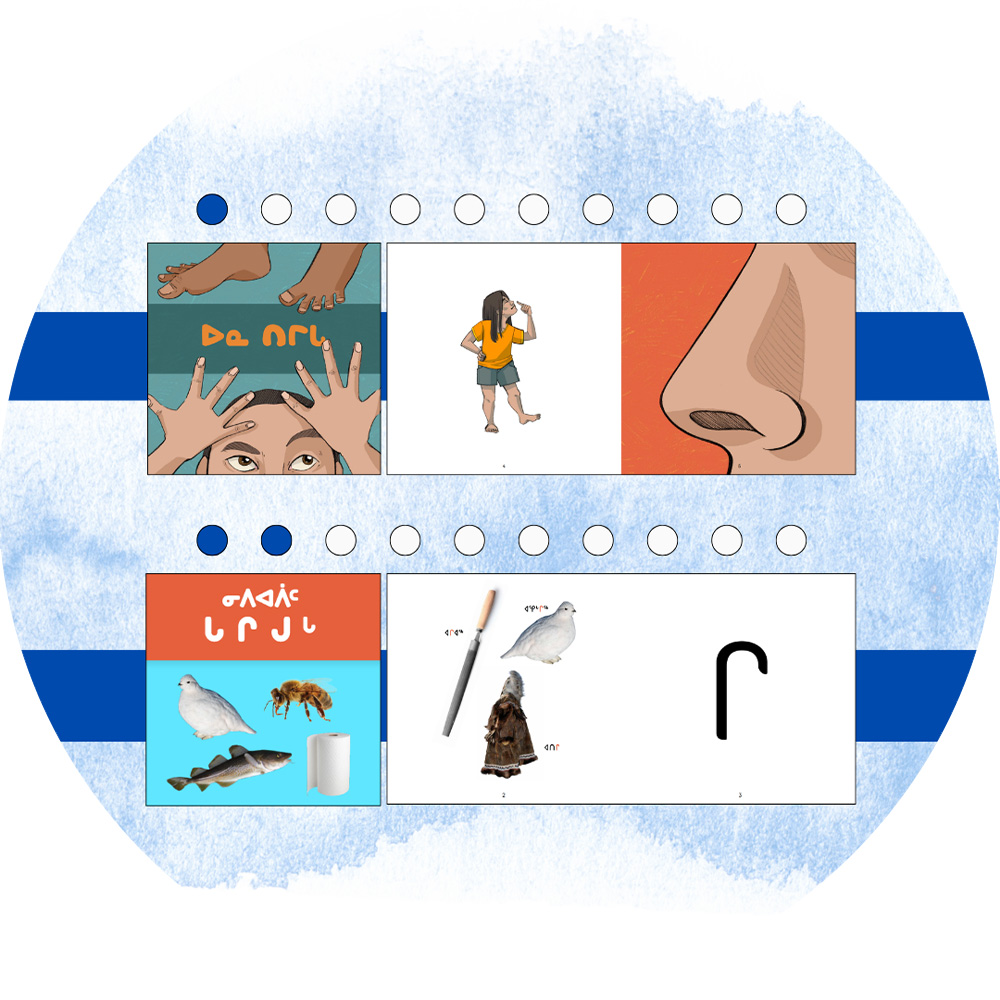
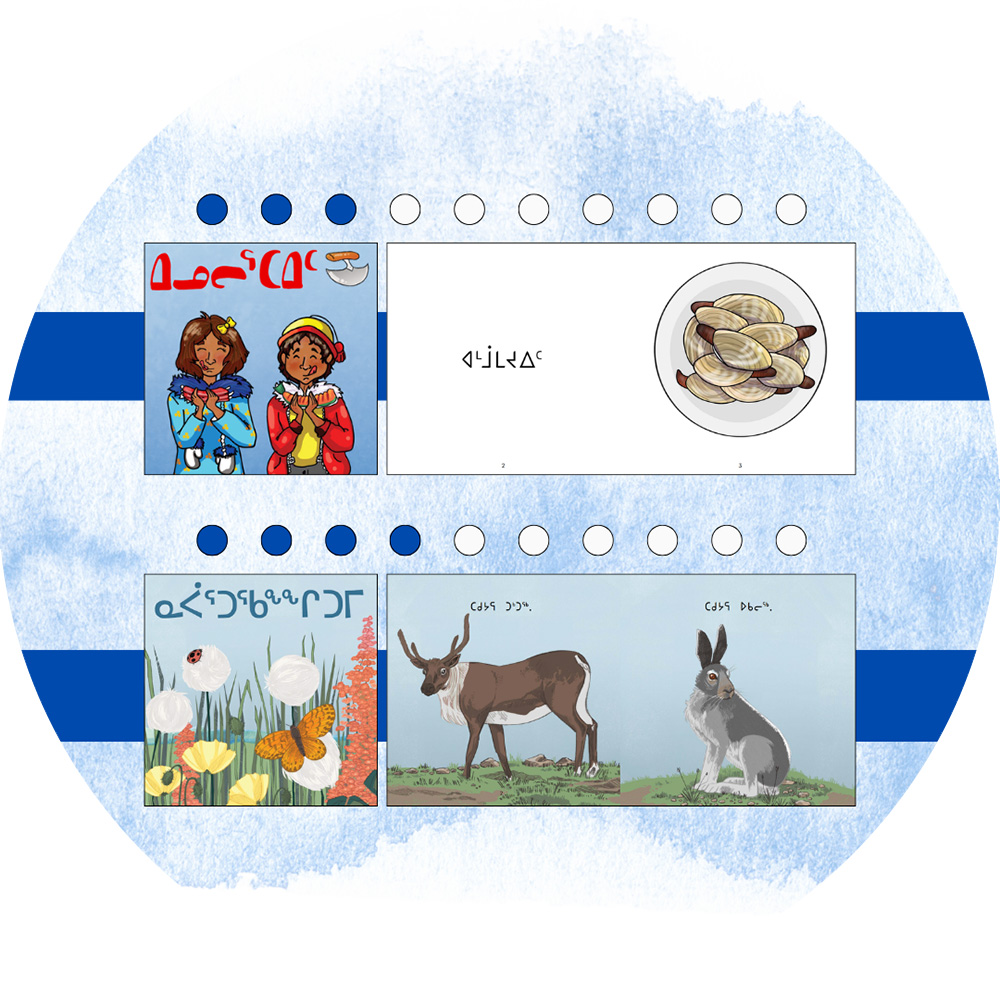
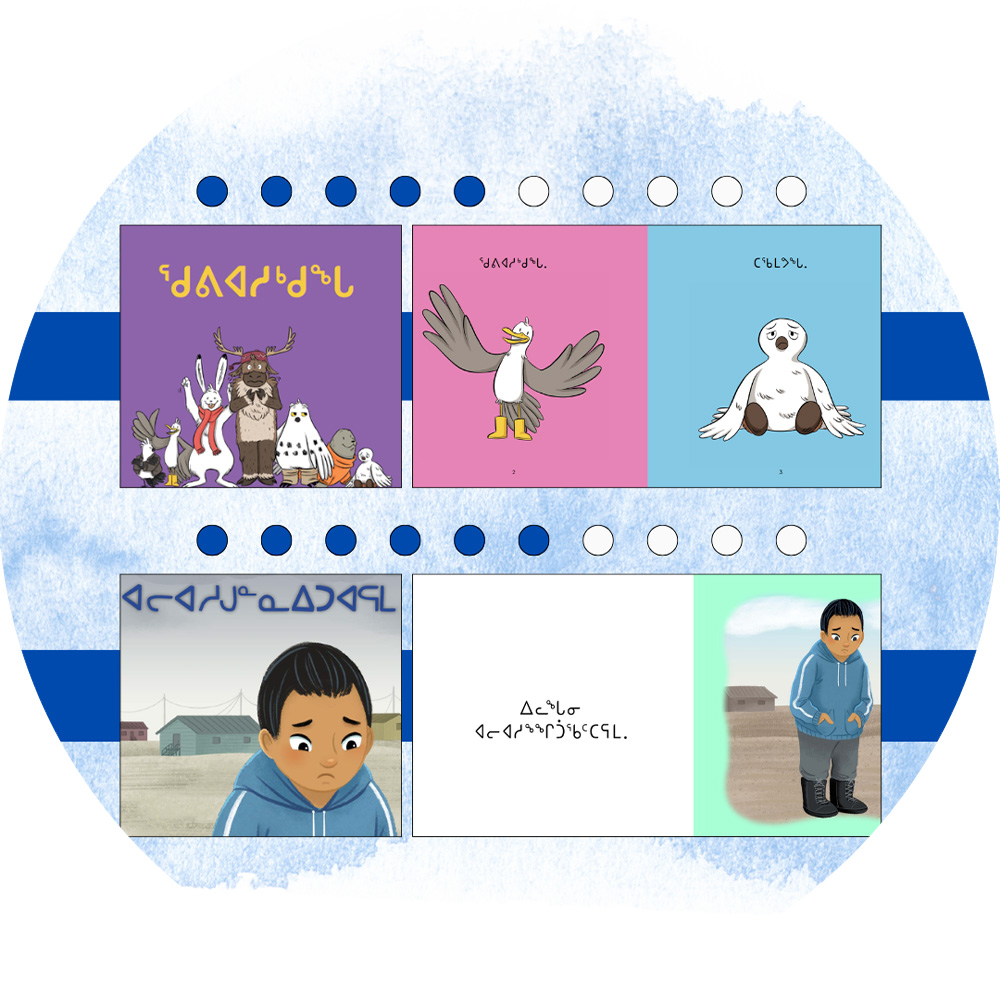
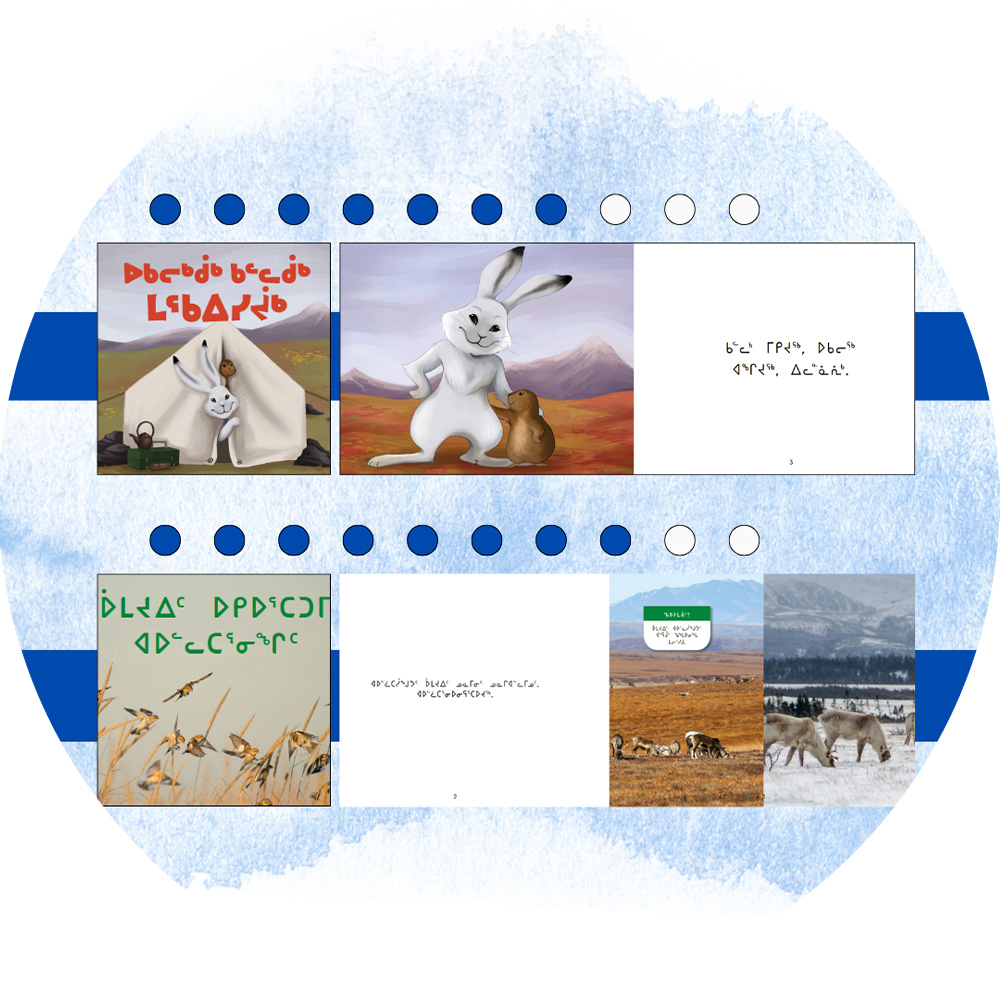
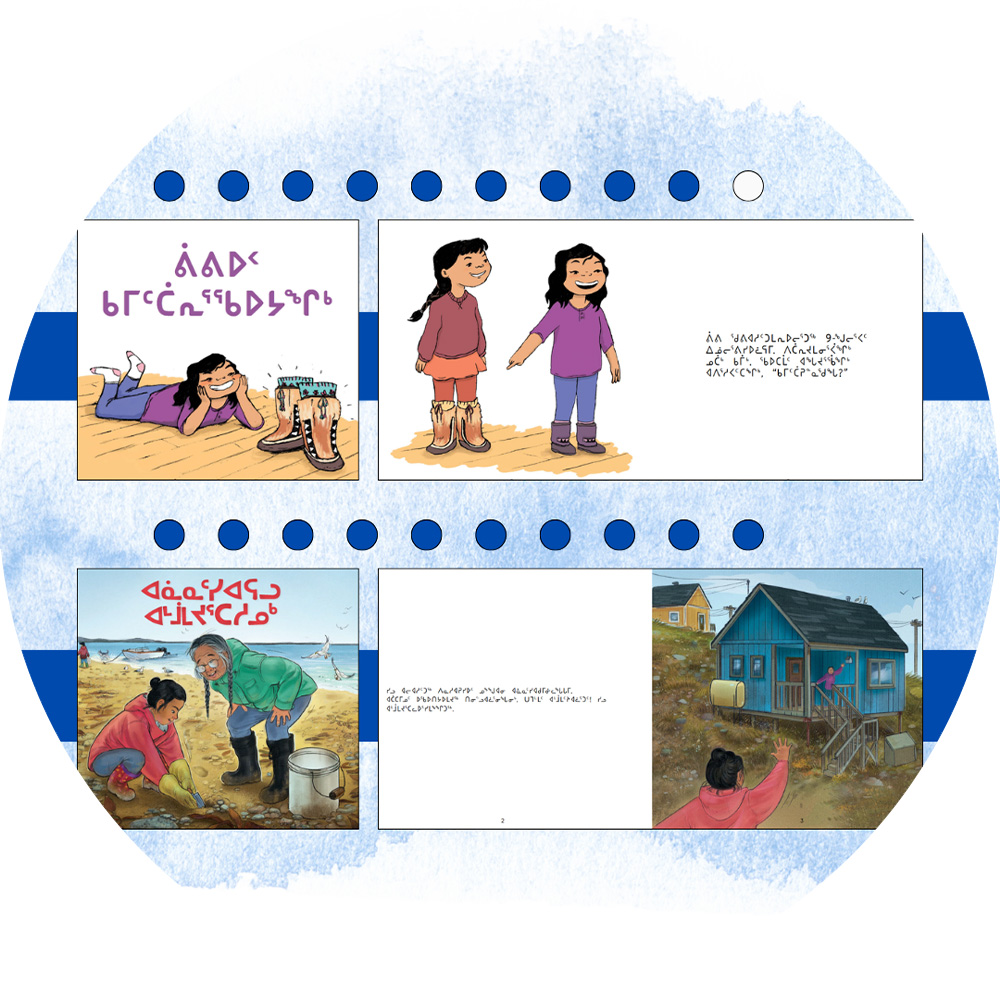
Choosing books Inuit children can relate to
Kativik Ilisarniliriniq has been reflecting on what stronger literacy support in Inuktitut could look like across Nunavik. Vinnie explained that a levelled reading program has long been part of those discussions. Those involved in the conversation have also recognized that such a project would require time, staffing, and sustained development.
Rather than waiting for that broader work to be fully in place, the collaboration with Arvaaq Press began around a more immediate question: which existing books could already be adapted for local classroom use? Phoebe learned more about Arvaaq Press’ Nunavummi series after reaching out to the Nunavut Department of Education to better understand their approach to levelled reading. The Nunavummi books had been created to align with the expectations of the Nunavut Education Program. From there, a collection of 50 books for Nunavik’s kindergarten and Elementary Cycle One students began to take shape.
Vinnie then reviewed the available Nunavummi titles and selected books that would feel familiar to Nunavimmiut. She was guided by a straightforward idea: the books needed to reflect things children could recognize and connect with from their own lives and surroundings. They were not chosen simply because they existed, but rather because they could speak directly to the children reading them.

When we see ourselves reflected in the content we consume, it strengthens our sense of self.
What Inuktitut adaptation looks like for everyday classroom use
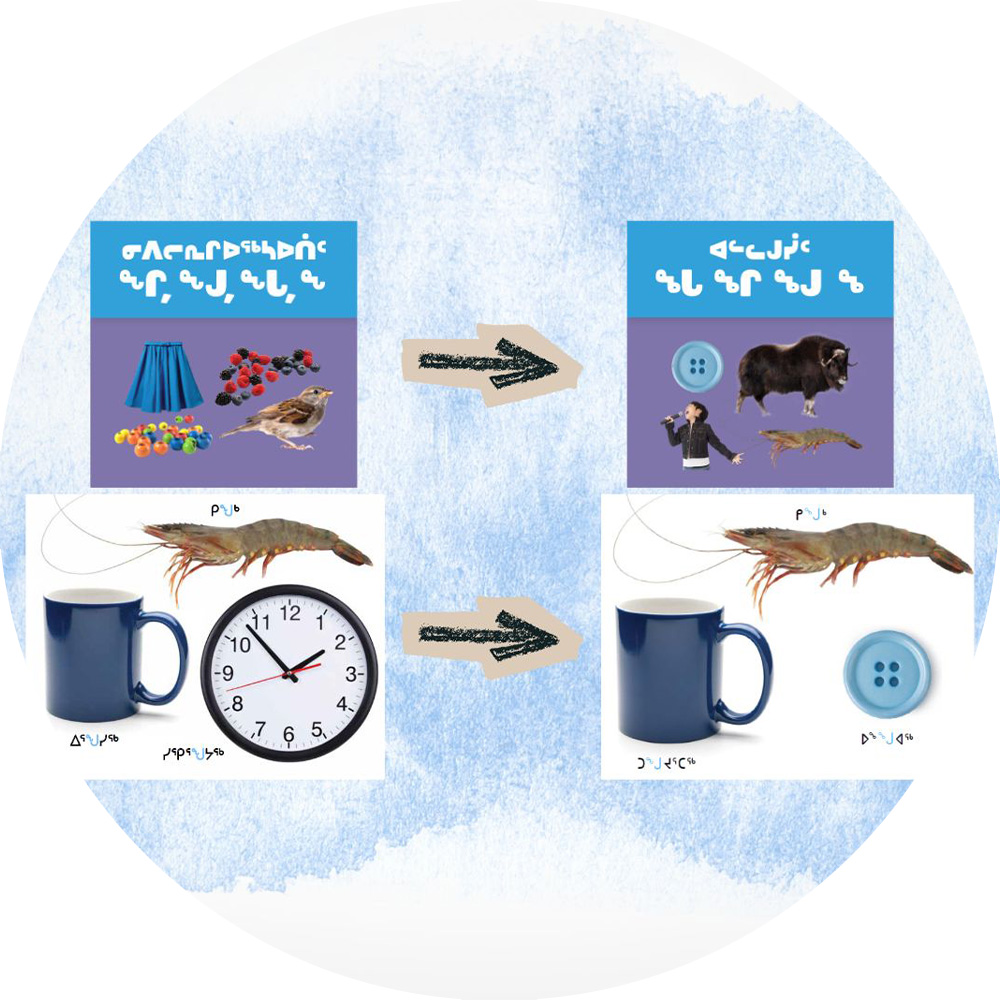
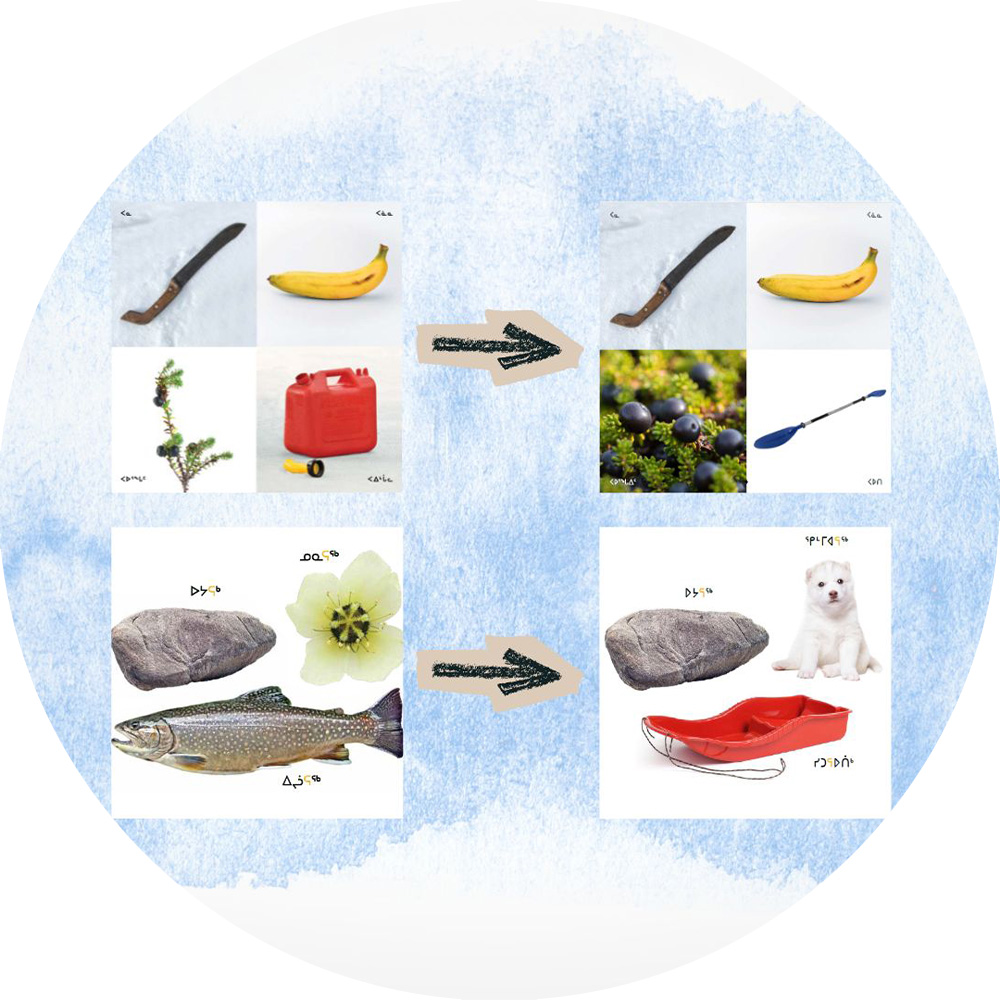
Once the books had been selected, the work became much more meticulous. Phoebe described the collaboration as a learning experience for everyone involved. Adapting books for Nunavik meant carefully reviewing the wording, the visuals, and even the font. Then, making changes where needed so the books would feel natural in their new context. With educational materials of this kind, the aim is also to make sure the overall content fits naturally with the reader’s understanding of the world.
Inuktitut varies across Nunavik, and each region has its own distinct ways of expressing certain ideas. With support from curriculum developers within the school board, the books were adapted to reflect those dialect differences. The font was also changed to the one we typically use for teaching Inuktitut syllabics.
That attention to context matters. In L’école au Nunavik: un système unique au Québec, Assistant Director of Education Services Alaku Kulula said, “We live differently here. In our environment, you need to know how to recognize the snow to go out on the land, it’s a matter of survival.” This collaboration is not meant to capture all of that reality on its own. However, it does help bring learning materials closer to the world students already know.
Building classroom-ready Inuktitut books from day one
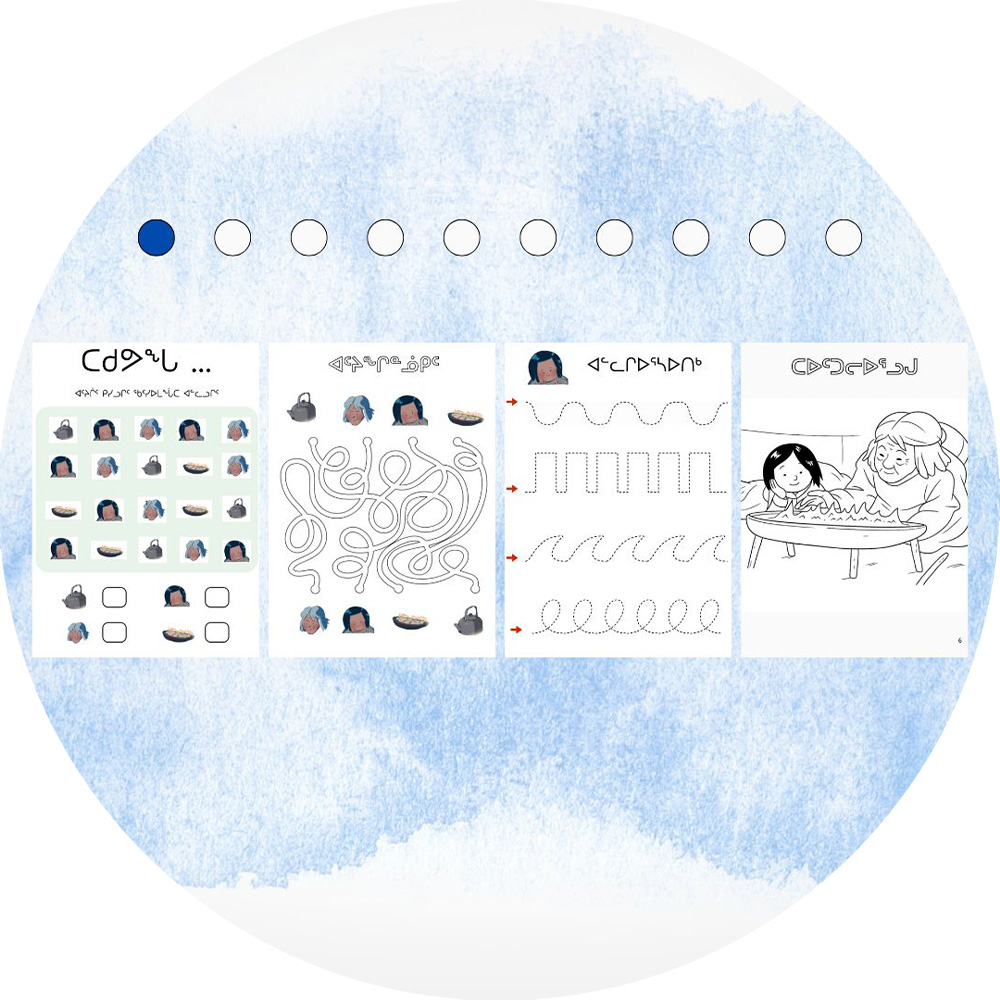
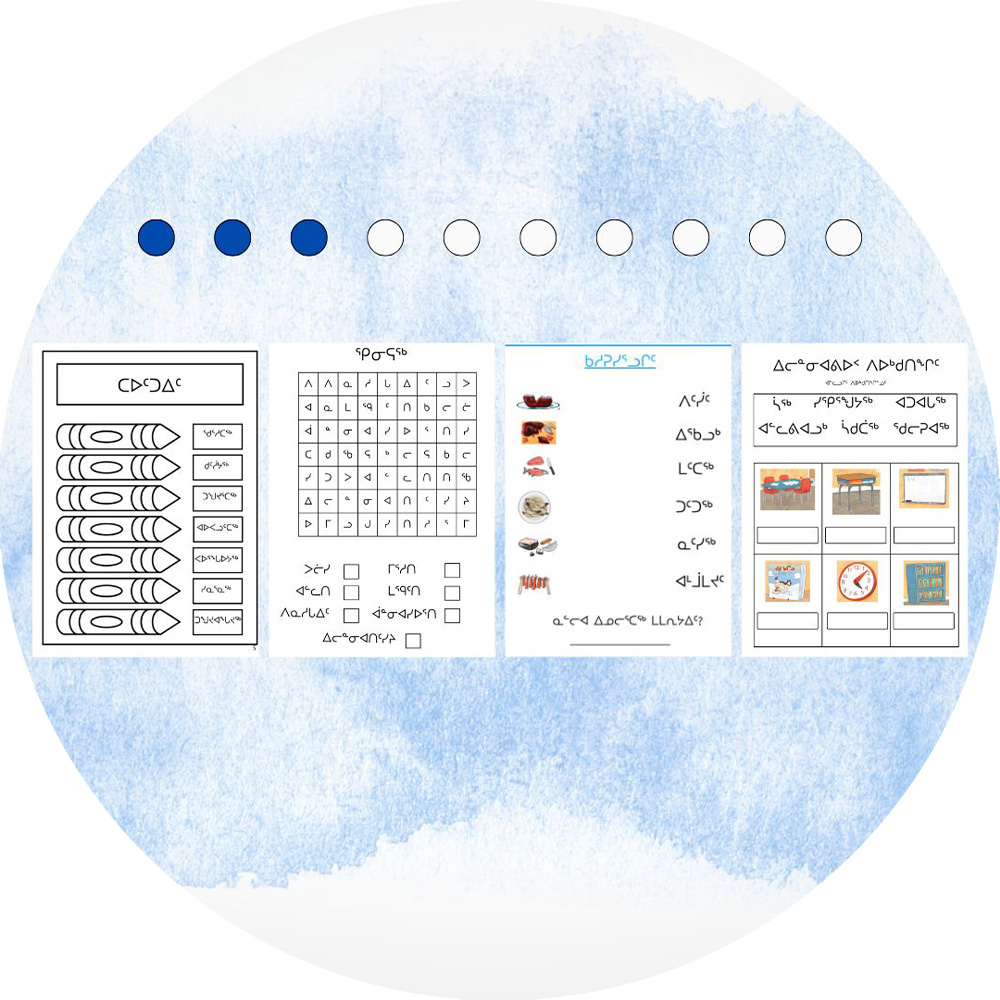
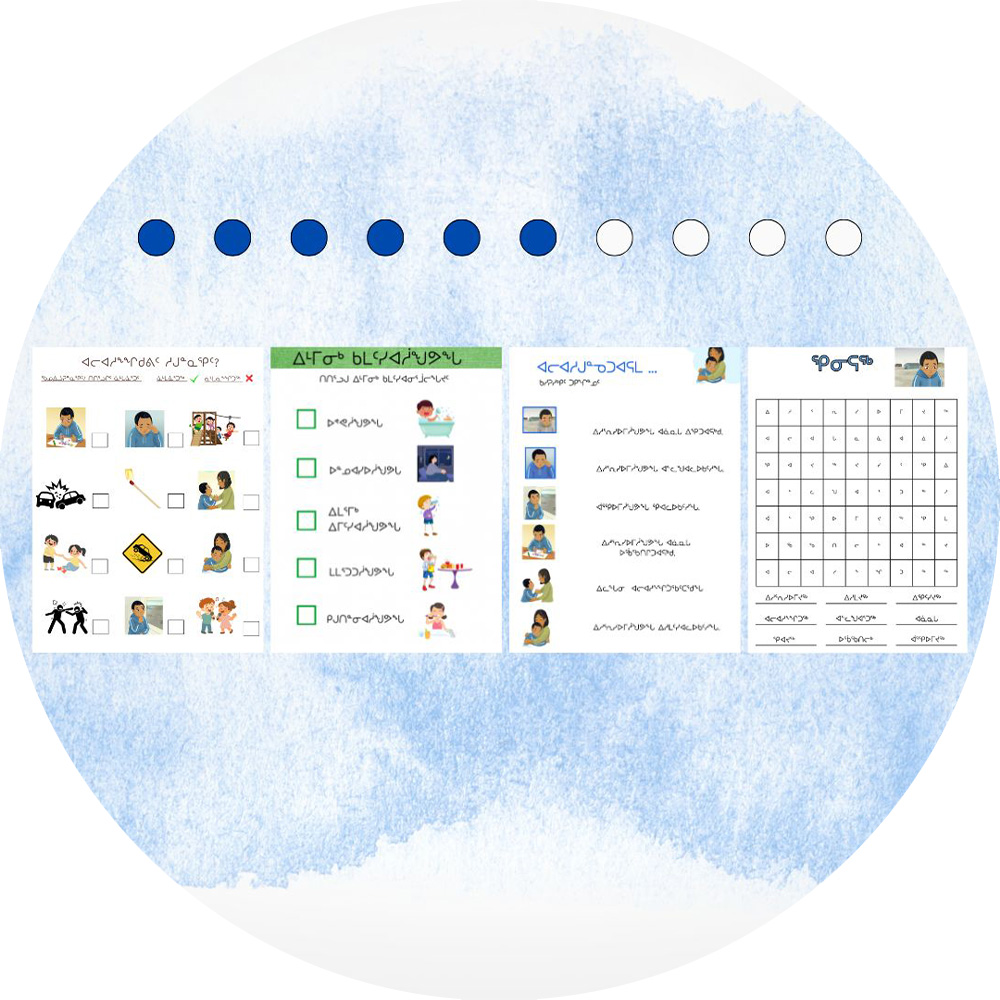
This work has never been only about producing books. From the beginning, it has also involved careful thinking about how those books would actually be used in classrooms. Vinnie has been creating activity sheets based on the themes and vocabulary in each title. Whether the topic is animals, colours or family life, the goal is to give teachers something clear and easy to use in class, without adding to their workload.
I tried to choose books that are relevant to Nunavimmiut, books that children would be able to connect with and recognize right away from their own lives and environment.
Both Phoebe and Vinnie also see this work within a longer-term vision. Phoebe views it as part of ongoing efforts to create more space for content that comes from Nunavik itself, including local authors, local creators, and stories rooted in the region. Vinnie also raised the question of how literacy materials can stay connected to the kinds of formats students engage with online.
In L’effritement de l’inuktitut chez les jeunes, Minnie Annahatak, then Coordinator with Kativik Ilisarniliriniq, suggested that supporting Inuktitut today also means paying attention to the types of content young people encounter on digital platforms. In that sense, these books represent one part of a larger effort to keep the language present in the spaces where children learn, read, and grow.
Advancing Inuktitut literacy in Nunavik
The collaboration with Arvaaq Press adds to work already underway in Nunavik schools. It continues efforts carried out for years by teachers, pedagogical advisors, and other staff members, often while working with limited materials and very specific classroom realities. In another Le Devoir article, Yasmine Charara, former Assistant Director of Education Services, described Kativik Ilisarniliriniq as being “a school board, a ministry, and a publishing house all at once.”
Still, the heart of this story remains in the classroom. A collection of 50 books is being adapted with young learners in mind. Each volume has been selected for its relevance and shaped to make Nunavik children feel at home. The collection brings more Inuktitut materials into classrooms. It gives students more opportunities to open a book and find something from their own world in its pages.
Curious to learn more? You may enjoy this story:
What is a ped counsellor anyway? ➔
An interview with Vinnie Baron on Teacher Training ➔
We’re hiring, and we offer attractive benefits!
Apply today and join our team.